

We have explored each of the ten must-have smart home devices in detail, covering their problem statements, benefits, advantages, disadvantages, installation guides, comparisons, prices, and best solutions. Here’s a quick recap of each device:
Smart Thermostats:
- Smart Lighting: Energy efficiency, customizable ambiance, and remote control. Best Solution: Philips Hue.
- Smart Security Cameras: Real-time monitoring, motion detection, and remote access. Best Solution: Arlo Pro 4.
- Smart Locks: Keyless entry, enhanced security, and remote control. Best Solution: August Smart Lock Pro.
- Smart Doorbells: Real-time visitor notifications, two-way communication, and motion detection. Best Solution: Ring Video Doorbell Pro 2.
- Smart Plugs: Remote control of appliances, energy usage monitoring, and scheduling features. Best Solution: TP-Link Kasa Smart Plug.
- Smart Speakers: Voice control capabilities, high-quality audio, and central hub functionality. Best Solution: Amazon Echo (4th Gen).
- Smart Vacuum Cleaners: Autonomous cleaning, time-saving features, and advanced mapping capabilities. Best Solution: iRobot Roomba i7+.
- Smart Home Hubs: Centralized control, enhanced automation, and improved integration. Best Solution: Samsung SmartThings Hub.
- Smart Blinds: Automated light and privacy control, enhanced energy efficiency, and remote control. Best Solution: Lutron Serena Shades.
1. Smart Thermostats
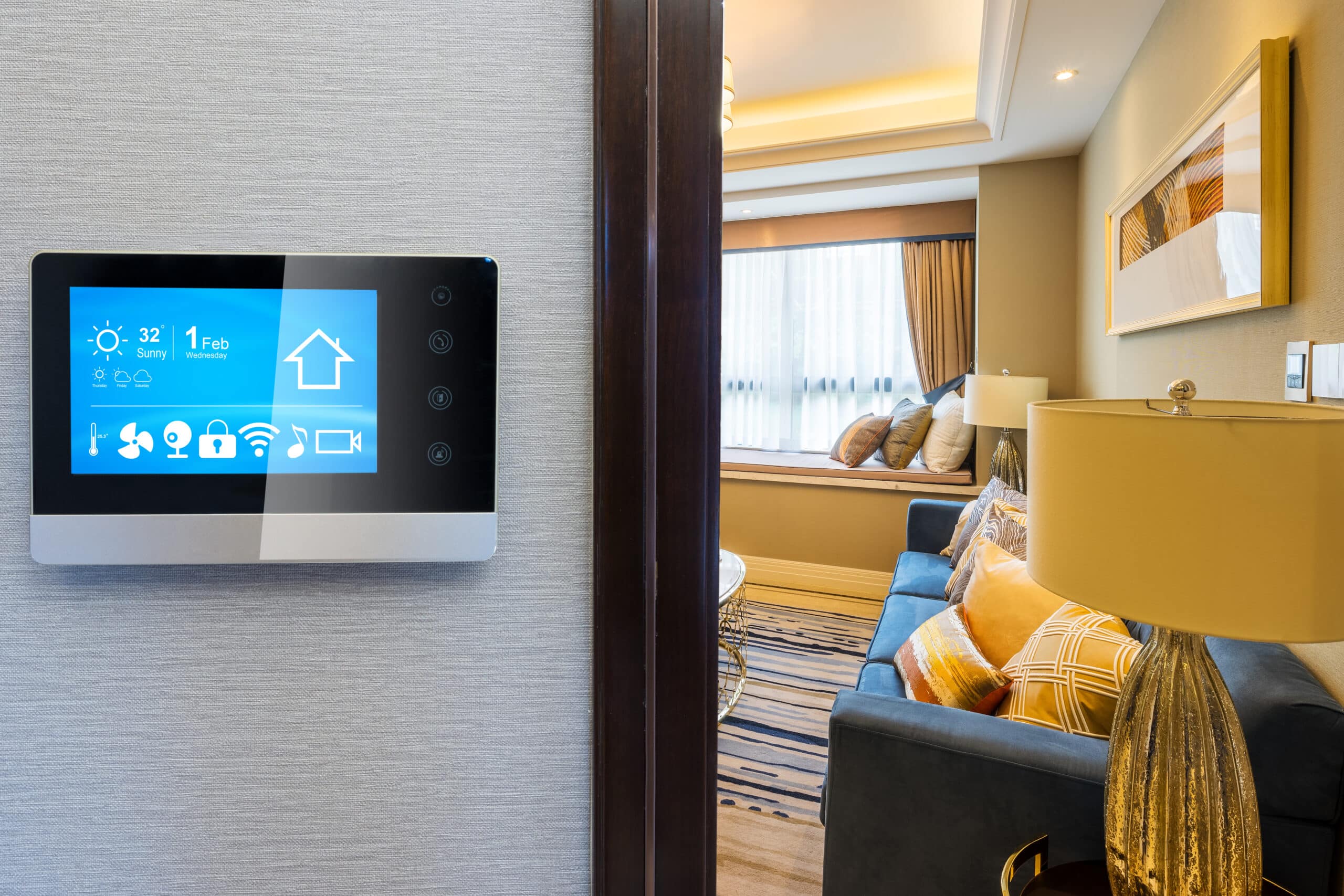
Introduction: Maintaining the ideal temperature in your home manually can be both time-consuming and inefficient, leading to high energy bills and discomfort. This is where smart thermostats come into play. These devices are designed to optimize your home’s heating and cooling systems, providing automated temperature control, energy savings, and enhanced comfort. With the ability to learn your schedule and preferences, smart thermostats offer a more convenient and efficient way to manage your home’s climate.
Problem Statement: Traditional thermostats require manual adjustments to maintain the desired temperature, which can be inconvenient and lead to energy wastage. Homeowners often forget to adjust the thermostat when leaving the house or going to bed, resulting in unnecessary energy consumption and higher utility bills. Additionally, older HVAC systems may not provide precise temperature control, leading to discomfort and inefficiency.
Benefits: Smart thermostats offer numerous benefits that address these challenges. By automating temperature control, they ensure that your home is always at the optimal temperature without manual intervention. This not only enhances comfort but also leads to significant energy savings. Smart thermostats can be controlled remotely via smartphone apps, allowing you to adjust the temperature from anywhere. They also provide insights into your energy usage, helping you make informed decisions to further reduce consumption and costs.
Advantages: One of the primary advantages of smart thermostats is their ability to learn your schedule and preferences. These devices use advanced algorithms and sensors to analyze your daily routines and adjust the temperature accordingly. For example, if you leave for work at 8 AM and return at 6 PM, the thermostat will lower the temperature during the day to save energy and raise it before you arrive home for maximum comfort. This level of automation ensures that you are not wasting energy when it is not needed.
Another key advantage is the remote control capability. Smart thermostats can be accessed and controlled via smartphone apps, allowing you to make adjustments even when you are not at home. This is particularly useful if you have unexpected schedule changes or want to ensure that your home is comfortable upon your return. Additionally, many smart thermostats are compatible with voice assistants like Amazon Alexa and Google Assistant, enabling hands-free control through voice commands.
Smart thermostats also integrate seamlessly with other smart home devices, creating a cohesive and interconnected system. For example, they can work in tandem with smart blinds to optimize indoor temperature and lighting based on the time of day and weather conditions. This integration enhances the overall smart home experience by providing a more intuitive and responsive environment.
Disadvantages: Despite their many benefits, smart thermostats do have some disadvantages. The initial cost of these devices can be relatively high compared to traditional thermostats. However, it is important to consider the long-term energy savings and convenience they provide, which can offset the upfront investment. Additionally, smart thermostats require a stable Wi-Fi connection to function properly. Any disruptions to the internet can impact their performance and responsiveness.
Compatibility issues with older HVAC systems can also be a concern. Not all smart thermostats are compatible with every heating and cooling system, so it is essential to check compatibility before making a purchase. Some systems may require additional adapters or professional installation to ensure proper integration.
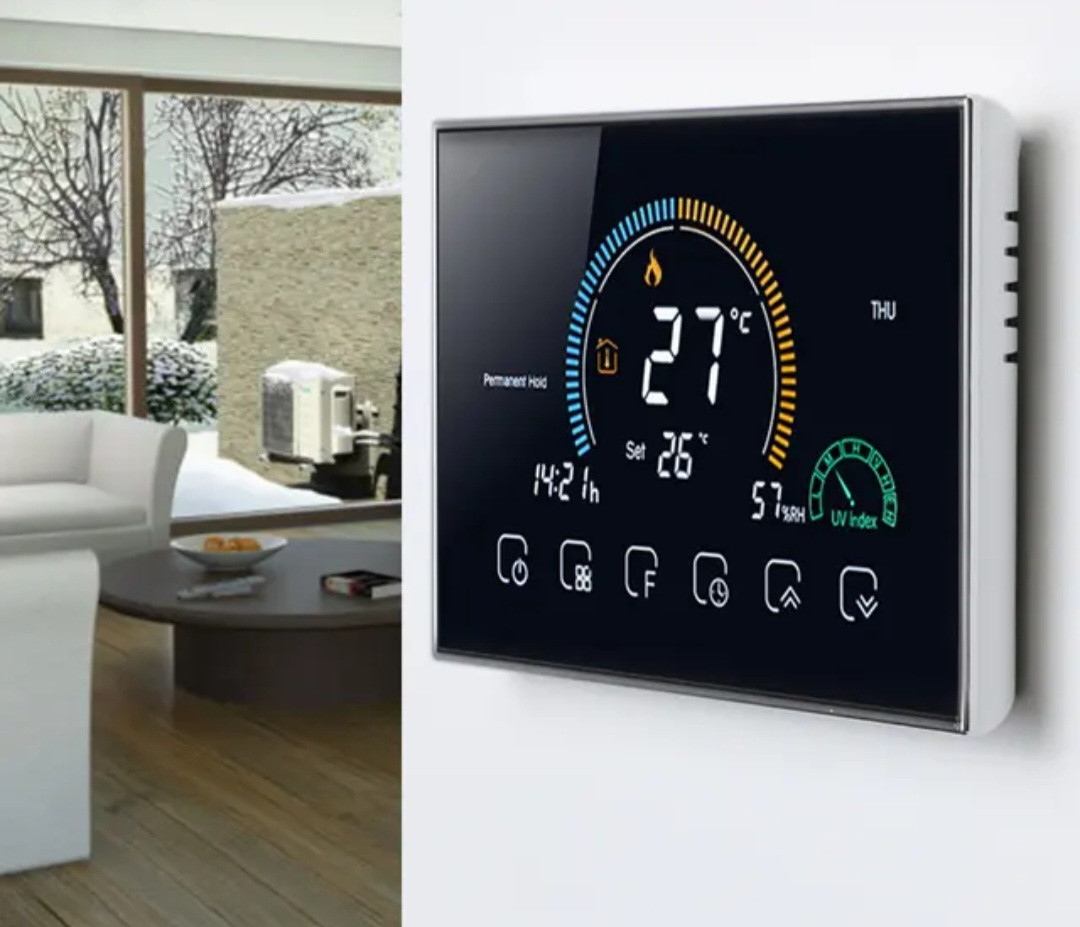
Installation Guide: Installing a smart thermostat is a relatively straightforward process, but it is essential to follow the manufacturer’s instructions carefully to ensure proper setup and functionality. Here is a general installation guide:
- Turn off power to your HVAC system at the breaker panel to ensure safety.
- Remove the old thermostat from the wall by detaching it from the mounting plate and disconnecting the wires. Take note of the wire connections for reference.
- Install the baseplate of the smart thermostat and connect the wires according to the manufacturer’s instructions. Ensure that the wires are securely connected and that the baseplate is level.
- Attach the thermostat to the baseplate, making sure it clicks into place.
- Turn on power to the HVAC system and follow the setup instructions on the thermostat’s app. This typically involves connecting the thermostat to your Wi-Fi network and configuring settings such as your schedule and temperature preferences.
Comparison: There are several popular smart thermostats on the market, each with its unique features and capabilities. Two of the top contenders are
-
-
Ecobee Smart Thermostat Premium:
-
Price: $228.99
-
Description: This thermostat offers a suite of premium features, including a built-in Alexa voice assistant, an integrated air quality monitor, and home security functions. It supports remote sensors to manage hot or cold spots and integrates with Apple HomeKit, Google Assistant, and SmartThings.
-
-
Nest Thermostat:
-
Price: $108.00
-
Description: A budget-friendly option from Google, this thermostat allows basic scheduling and temperature control. It can be managed via the Google Home app, and it’s designed to save energy by learning your schedule.
-
-
Amazon Smart Thermostat:
-
Price: $79.99
-
Description: Ideal for Alexa users, this thermostat leverages Alexa Hunches to keep your home comfortable. It has a sleek, minimalist design and is ENERGY STAR certified to help reduce energy costs.
-
-
Google Nest Learning Thermostat (4th Gen):
-
Price: $244.99
-
Description: This AI-powered thermostat learns your schedule and preferences, adjusting the temperature to save energy. It features Farsight technology, which lights up to show you the temperature, weather, or time when you walk into the room.
-
-
Sensi Touch 2 Smart Thermostat ST76:
-
Price: $135.99
-
Description: This thermostat features a responsive touch screen and compatibility with Amazon Alexa, Google Assistant, and Apple HomeKit. It offers geofencing, flexible scheduling, and energy usage reports.
-
-
Honeywell Home T9 Smart Thermostat With Sensor:
-
Price: $178.99
-
Description: This thermostat comes with remote room sensors to ensure even temperature control throughout your home. It works with major smart home platforms and offers customizable scheduling and geofencing.
-
-
Sensi Smart Thermostat ST55:
-
Price: $82.99
-
Description: A cost-effective thermostat compatible with Apple HomeKit, Amazon Alexa, and Google Assistant. It provides flexible scheduling and energy-saving features, making it a great entry-level option.
-
-
Sinope TH1123WF Smart Wi-Fi Thermostat:
-
Price: $124.99
-
Description: Designed for line-voltage heating systems, this thermostat offers remote control via a smartphone app. It features energy usage reports and integrates with major smart home platforms.
-
-
Honeywell Home RTH9585WF Wi-Fi Smart Color Thermostat:
-
Price: $139.99
-
Description: This thermostat has a customizable color display and supports various smart home platforms. It offers energy-saving settings, flexible scheduling, and easy installation.
-
-
Emerson Sensi Lite Wi-Fi Smart Thermostat (2023 Model):
-
Price: $76.99
-
Description: This budget-friendly thermostat offers basic scheduling and energy-saving features. It integrates with Amazon Alexa and Google Assistant, providing remote control through a smartphone app.
-
Each of these thermostats caters to different needs, whether you prioritize advanced features, budget-friendliness, or compatibility with specific smart home ecosystems. Which one aligns best with your home automation goals?
-