
We have explored each of the ten must-have smart home devices in detail, covering their problem statements, benefits, advantages, disadvantages, installation guides, comparisons, prices, and best solutions. Here’s a quick recap of each device:
- Smart Thermostats: Automated temperature control, energy savings, and enhanced comfort. Best Solution: Nest Learning Thermostat.
- Smart Lighting: Energy efficiency, customizable ambiance, and remote control. Best Solution: Philips Hue.
- Smart Security Cameras: Real-time monitoring, motion detection, and remote access. Best Solution: Arlo Pro 4.
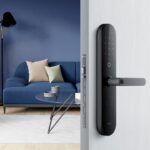
- Smart Locks: Keyless entry, enhanced security, and remote control. Best Solution: August Smart Lock Pro.
Smart Doorbells
- Smart Plugs: Remote control of appliances, energy usage monitoring, and scheduling features. Best Solution: TP-Link Kasa Smart Plug.
- Smart Speakers: Voice control capabilities, high-quality audio, and central hub functionality. Best Solution: Amazon Echo (4th Gen).
- Smart Vacuum Cleaners: Autonomous cleaning, time-saving features, and advanced mapping capabilities. Best Solution: iRobot Roomba i7+.
- Smart Home Hubs: Centralized control, enhanced automation, and improved integration. Best Solution: Samsung SmartThings Hub.
- Smart Blinds: Automated light and privacy control, enhanced energy efficiency, and remote control. Best Solution: Lutron Serena Shades.
5. Smart Doorbells
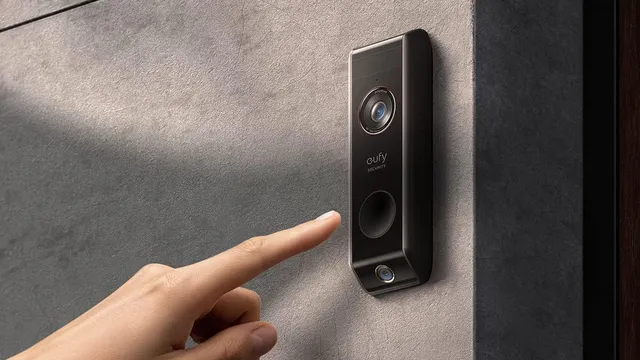
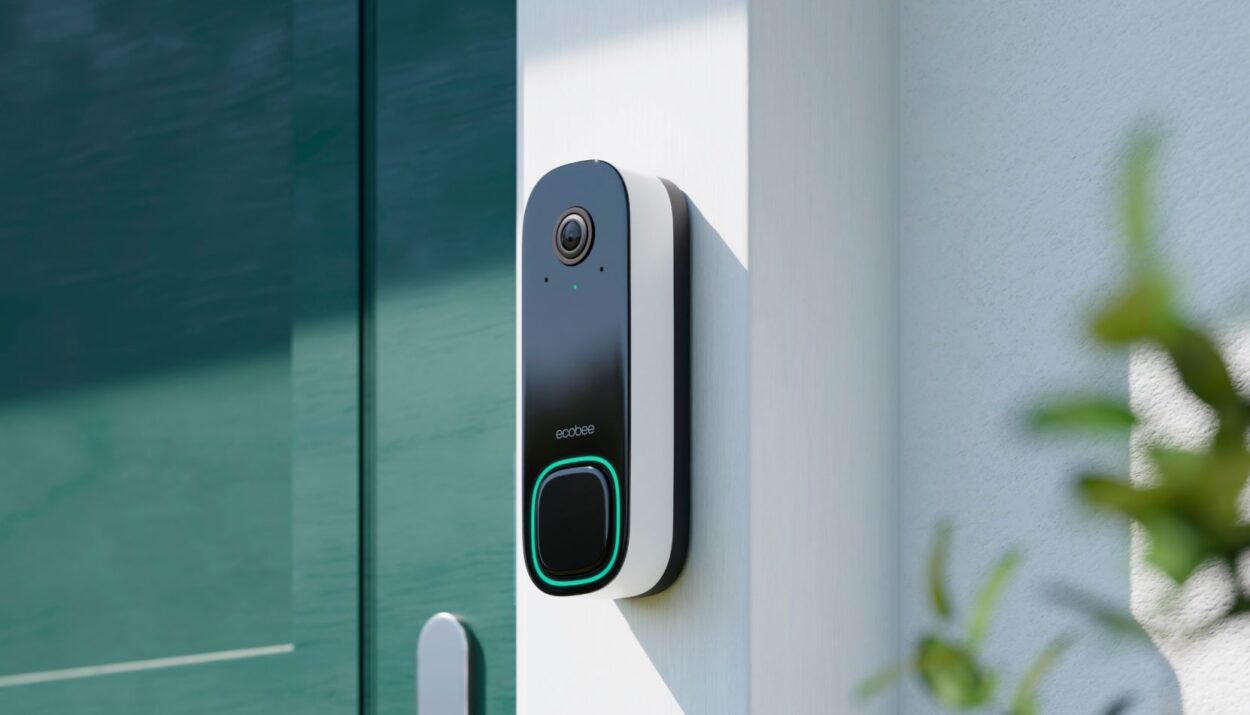
Introduction: Traditional doorbells do not offer the ability to see and communicate with visitors remotely. Smart doorbells address this limitation by providing real-time visitor notifications, two-way communication, and motion detection. These devices enhance home security and convenience by allowing homeowners to monitor and interact with visitors from anywhere.
Problem Statement: Traditional doorbells provide limited functionality and do not offer insights into who is at the door or allow for remote communication. Homeowners often miss important deliveries or visitors when they are not at home, and there is no way to verify the identity of visitors before opening the door. There is a need for advanced doorbell solutions that enhance security and provide real-time information and communication.
Benefits: Smart doorbells offer numerous benefits that enhance home security and convenience. These devices provide high-definition video quality, allowing homeowners to see and communicate with visitors in real-time. Motion detection alerts notify users of any activity at the front door, enabling prompt responses to potential security concerns. Additionally, smart doorbells store recorded footage in the cloud, providing access to evidence in case of incidents.
Advantages: One of the primary advantages of smart doorbells is real-time visitor notifications. Homeowners receive instant alerts on their smartphones when someone rings the doorbell or when motion is detected. This feature allows users to see who is at the door and communicate with visitors, even when they are not at home. Whether you are at work, on vacation, or simply in another room, you can always monitor and interact with visitors.
Two-way communication is another significant advantage of smart doorbells. Many smart doorbells are equipped with built-in microphones and speakers, enabling homeowners to speak to visitors through the doorbell. This feature is particularly useful for verifying the identity of visitors, giving instructions to delivery personnel, or deterring potential intruders.
Motion detection is a key security feature of smart doorbells. These devices use advanced motion sensors to detect activity at the front door and trigger alerts and recordings. Users can customize motion detection settings, such as sensitivity and detection zones, to reduce false alarms and focus on specific areas of interest. This proactive approach enhances security by providing immediate awareness of any unusual activity.
Disadvantages: Despite their many benefits, smart doorbells do have some disadvantages. The initial cost of smart doorbells can be higher compared to traditional doorbells. However, it is important to consider the long-term security and convenience they provide, which can offset the upfront investment. Additionally, smart doorbells require a stable Wi-Fi connection to function properly. Any disruptions to the internet can impact their performance and responsiveness.
Subscription fees for cloud storage and advanced features are another consideration. While basic functionality may be available without a subscription, access to recorded footage and advanced settings often requires a paid plan. Homeowners should evaluate the cost and benefits of subscription plans when choosing a smart doorbell.

Installation Guide: Installing a smart doorbell is a relatively simple process, but it is essential to follow the manufacturer’s instructions carefully to ensure proper setup and functionality. Here is a general installation guide:
- Remove the old doorbell: Turn off power to the existing doorbell at the breaker panel and remove it from the wall by detaching it from the mounting plate and disconnecting the wires.
- Install the smart doorbell: Attach the mounting plate of the smart doorbell to the wall using the provided hardware. Connect the wires to the new doorbell according to the manufacturer’s instructions.
- Secure the doorbell: Attach the smart doorbell to the mounting plate, ensuring it clicks into place securely.
- Turn on power: Restore power to the doorbell at the breaker panel and ensure the device is powered on.
- Connect to Wi-Fi: Follow the manufacturer’s instructions to connect the doorbell to your Wi-Fi network. This typically involves pairing the device with your smartphone app and entering your network credentials.
- Download the app: Install the app associated with your smart doorbell and follow the setup instructions. The app will guide you through the process of configuring settings and accessing features.
- Customize settings: Configure motion detection, alerts, and video recording settings to suit your security needs. Adjust sensitivity, set detection zones, and define notification preferences.
- Test the system: Ensure that the smart doorbell is working correctly and that you receive alerts and notifications as expected. Test the live video feed, motion detection, and two-way communication to confirm proper functionality.
Comparison: There are several popular smart doorbells on the market, each with its unique features and capabilities. Two of the top contenders are the Ring Video Doorbell Pro 2 and the Nest Hello.
Smart Doorbells
| Smart Doorbell | Price | Best Feature |
|---|---|---|
| Arlo Video Doorbell (2nd Generation) | $81.97 | Best overall |
| Ezviz DB1C Wi-Fi Video Doorbell | $200.00 | Best affordable wired model |
| Ring Peephole Cam | $129.99 | Best for doors with a peephole |
| Eufy Video Doorbell E340 | $149.99 | Best package protection |
| Ring Wired Doorbell Pro | $229.99 | Best Ring doorbell overall |
| Ring Battery Doorbell Pro | $149.99 | Best battery-powered Ring doorbell |
| Blink Video Doorbell + Sync Module 2 | $69.99 | Best for wired or wireless installation |
| Nest Doorbell (Battery) | $179.34 | Best for Google Assistant users |
| Reolink Video Doorbell WiFi | $87.99 | Best for Ethernet connectivity |
| TP-Link Tapo D130 2K Wired Smart Video Doorbell | $44.99 | Best budget option |
Detailed Descriptions:
Arlo Video Doorbell (2nd Generation):
Price: $81.97
Description: Offers sharp video quality, the versatility of battery or hardwired power, and compatibility with all major smart home platforms. It provides clear two-way audio and motion detection alerts.
Ezviz DB1C Wi-Fi Video Doorbell:
Price: $200.00
Description: An affordable wired model with high-definition video, night vision, and two-way audio. It integrates with Alexa and Google Assistant for seamless control.
Ring Peephole Cam:
Price: $129.99
Description: Ideal for doors with a peephole, this doorbell offers easy installation and features like motion detection, two-way audio, and integration with Alexa.
Eufy Video Doorbell E340:
Price: $149.99
Description: Provides excellent package protection with dual cameras, high-resolution video, and no subscription fees for extra features like package detection.
Ring Wired Doorbell Pro:
Price: $229.99
Description: A top-tier Ring doorbell with advanced features like head-to-toe video, package detection, and customizable motion zones. It requires a wired connection.
Ring Battery Doorbell Pro:
Price: $149.99
Description: Best battery-powered Ring doorbell with clear head-to-toe video, package detection, and a removable battery for easy recharging.
Blink Video Doorbell + Sync Module 2:
Price: $69.99
Description: Offers flexible installation options (wired or wireless) and features like two-way audio, motion detection, and integration with Alexa.
Nest Doorbell (Battery):
Price: $179.34
Description: Best for Google Assistant users, this doorbell offers high-quality video, intelligent alerts, and easy installation with a battery-powered option.
Reolink Video Doorbell WiFi:
Price: $87.99
Description: Provides Ethernet connectivity for a stable connection, high-definition video, and integration with major smart home platforms.
TP-Link Tapo D130 2K Wired Smart Video Doorbell:
Price: $44.99
Description: A budget-friendly option with 2K video quality, two-way audio, and integration with Alexa and Google Assistant.
Advantages of Smart Doorbells:
Enhanced Security: Smart doorbells provide high-definition video, motion detection, and two-way audio, enhancing home security by allowing you to see and communicate with visitors remotely.
Convenience: You can monitor and answer your door from anywhere using a smartphone app, making it easier to manage deliveries and visitors.
Integration with Smart Home Systems: Many smart doorbells integrate with other smart home devices, creating a comprehensive security system.
Activity Monitoring: Smart doorbells can record video footage and provide alerts for any suspicious activity, offering peace of mind.
Accessibility: They make it easier for people with disabilities or mobility issues to see and communicate with visitors without physically opening the door.
Disadvantages of Smart Doorbells:
Cost: Smart doorbells can be more expensive than traditional doorbells, and some models may require additional accessories or subscriptions for full functionality.
Privacy Concerns: Smart doorbells can capture and store personal data, raising privacy concerns. It’s essential to understand the privacy policies and settings of your device.
Technical Issues: Like any technology, smart doorbells can experience technical glitches, such as connectivity issues or software malfunctions.
Battery Dependency: Battery-powered models require regular charging, which can be inconvenient if the battery dies unexpectedly.
Hacking Risks: As connected devices, smart doorbells can be vulnerable to hacking. Ensuring robust security measures and keeping the software updated is crucial.