
The Next Big Thing in Driving
Introduction: The Fusion of Reality and Technology
Imagine driving without ever taking your eyes off the road, as all the critical information is seamlessly integrated into your line of sight. Augmented Reality (AR) dashboards are turning this vision into reality, merging the digital and physical worlds to enhance driving safety, convenience, and overall experience. In this in-depth article, we will explore the evolution, technology, benefits, and future prospects of AR dashboards in the automotive industry.
The Evolution of Augmented Reality in Cars
The concept of augmented reality dates back to the early 1960s, but its application in automotive technology is a relatively recent development. The first iterations of AR in cars were heads-up displays (HUDs) that projected basic information, such as speed and navigation, onto the windshield. These early HUDs laid the groundwork for more sophisticated AR dashboards that provide real-time, interactive data.
The Core Components of AR Dashboards
Key Features:
- Heads-Up Display (HUD): Projects critical information onto the windshield.
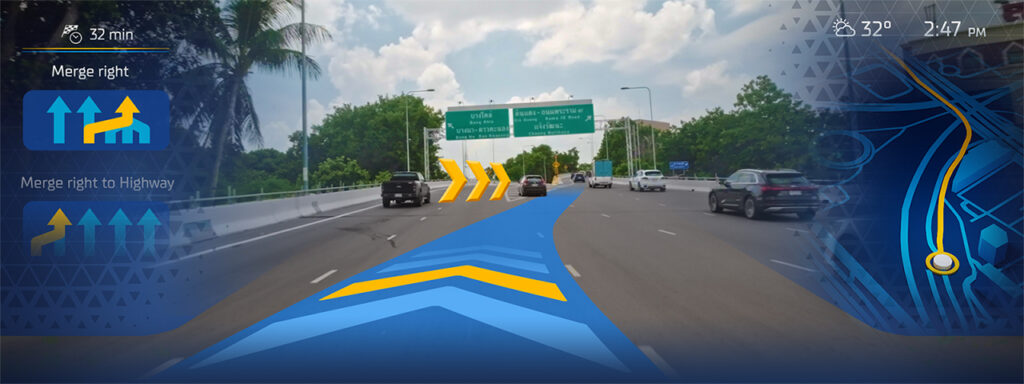
- Enhanced Navigation: Turn-by-turn directions overlaid on the road.
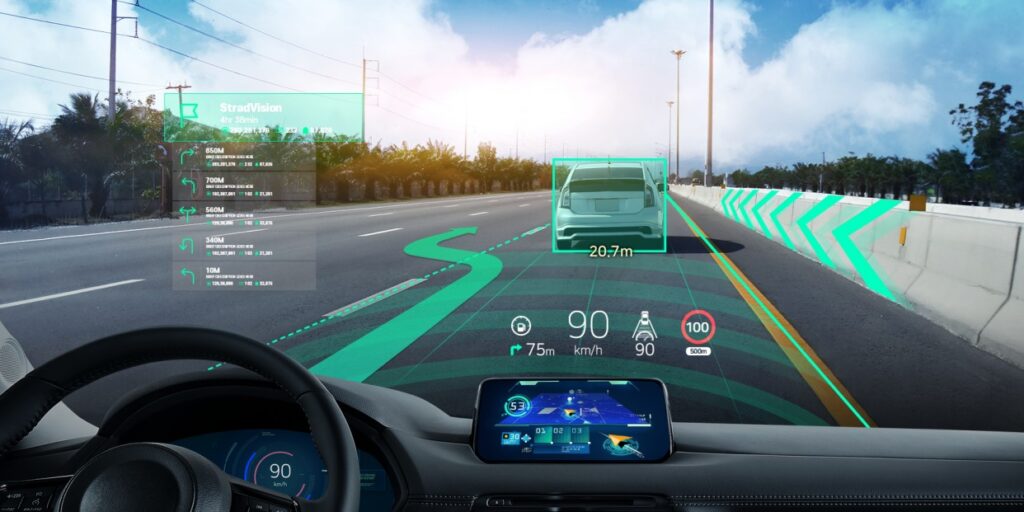
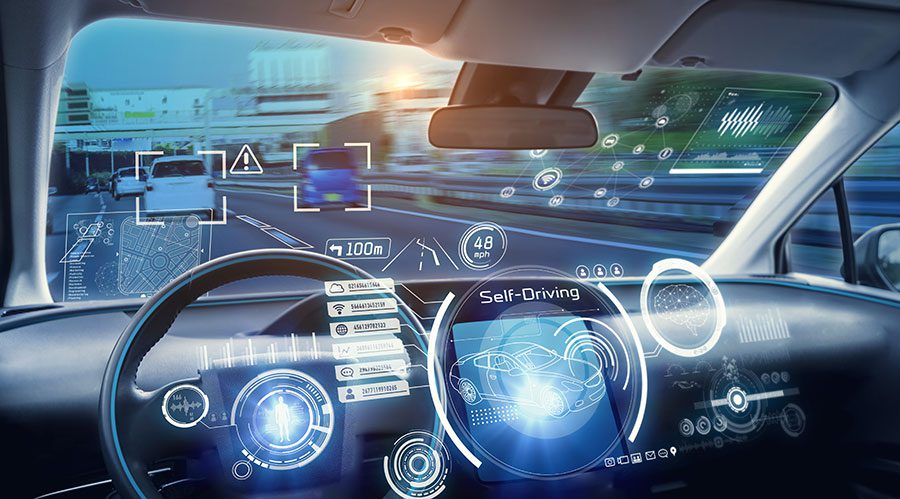
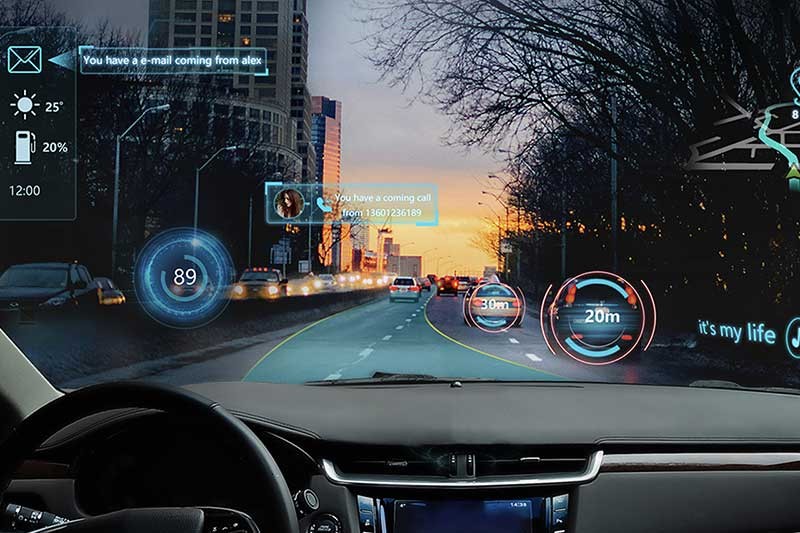
Heads-Up Display (HUD): The HUD is the foundation of AR dashboards, projecting essential information directly onto the windshield. Unlike traditional dashboards that require drivers to glance down, HUDs keep the driver’s focus on the road. Modern HUDs can display a wide range of data, including speed, navigation, traffic alerts, and even augmented reality elements.
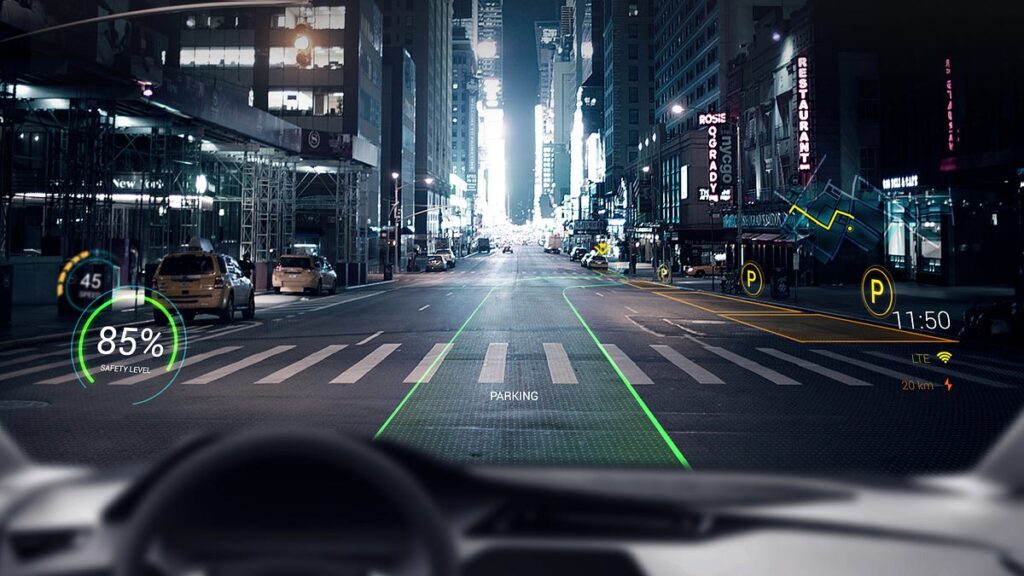
Enhanced Navigation: One of the most significant benefits of AR dashboards is enhanced navigation. AR overlays turn-by-turn directions directly onto the road, providing intuitive and real-time guidance. This feature reduces the need for physical maps or looking down at GPS devices, making navigation safer and more straightforward.
The Benefits of AR Dashboards
The Problem: Distracted driving due to the need to constantly check various displays.
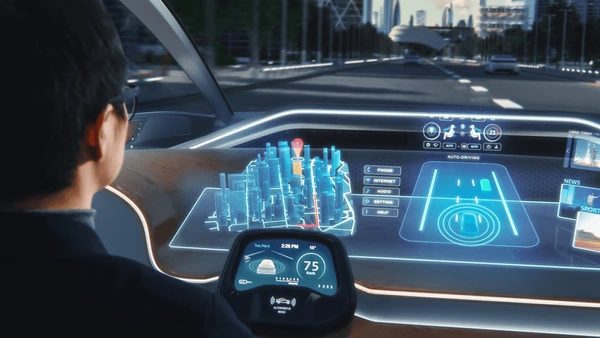
The Solution: Augmented Reality (AR) dashboards integrate real-time data directly into the driver’s line of sight.
Reducing Distracted Driving: Distracted driving is a leading cause of accidents. AR dashboards address this issue by minimizing the need for drivers to look away from the road. By displaying information within the driver’s field of view, AR dashboards help maintain focus and improve overall safety.
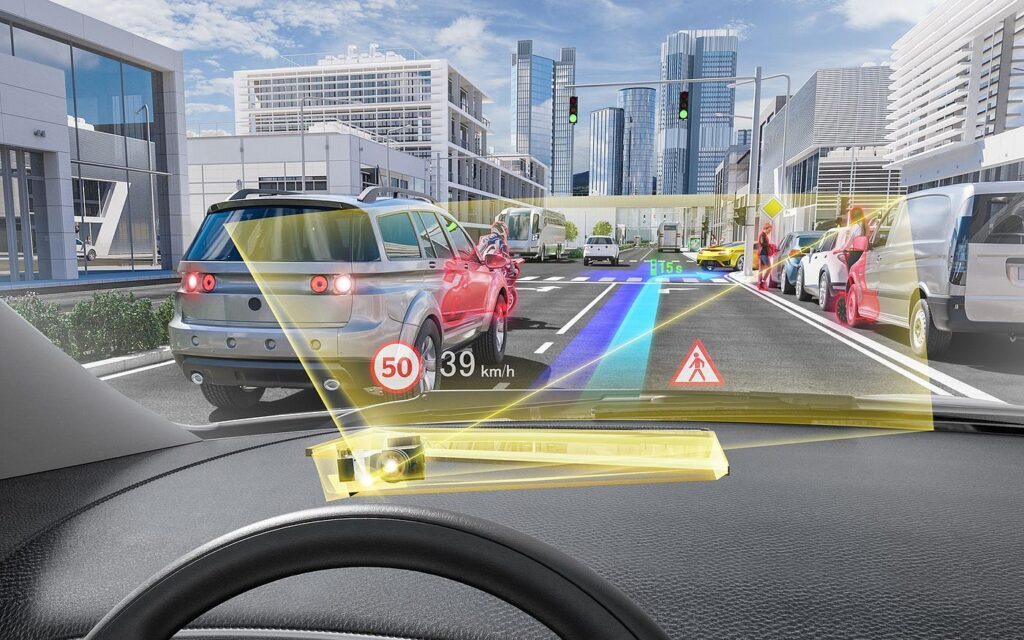
Enhancing Situational Awareness: AR dashboards enhance situational awareness by providing real-time information about the surrounding environment. For example, AR can highlight potential hazards, such as pedestrians, cyclists, or road obstacles, ensuring that drivers are aware of their surroundings at all times.
Improving Navigation Accuracy: Traditional GPS systems can be challenging to follow, especially in complex urban environments. AR navigation offers a more intuitive experience by overlaying directions directly onto the road, reducing confusion and improving accuracy.
Personalized Driving Experience: AR dashboards can be customized to suit individual preferences and driving styles. Drivers can choose the type and amount of information displayed, creating a personalized and user-friendly experience.
The Technology Behind AR Dashboards
Augmented Reality Software: AR dashboards rely on advanced AR software to process and display information. This software uses computer vision and machine learning algorithms to interpret the surrounding environment and project relevant data onto the windshield. The software continuously analyzes real-time data from various sensors to ensure accurate and timely information.
Sensors and Cameras: AR dashboards are equipped with a range of sensors and cameras that capture data about the vehicle’s surroundings. These include LiDAR (Light Detection and Ranging), radar, and high-definition cameras. The sensors and cameras work together to create a detailed 3D map of the environment, which is then processed by the AR software.
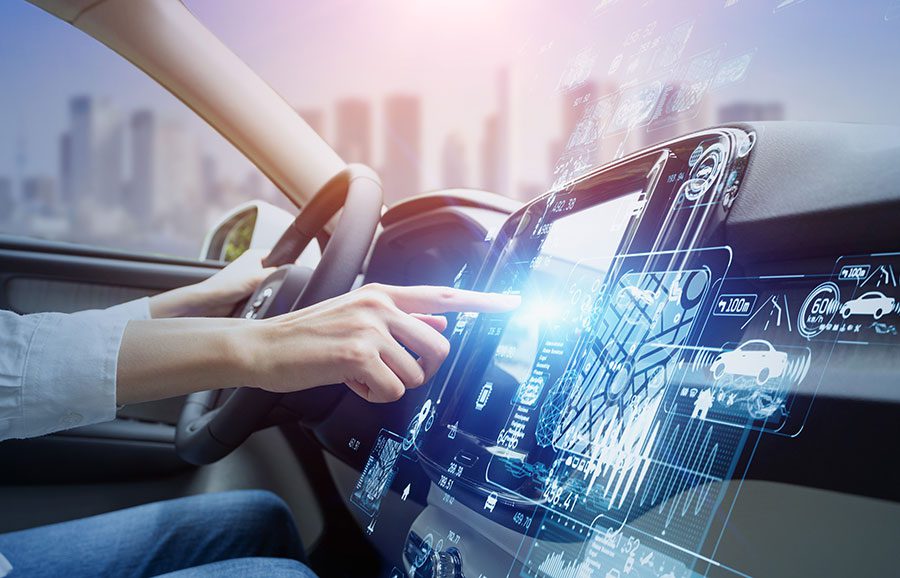
Display Technology: The display technology used in AR dashboards is critical to their effectiveness. Modern AR dashboards use advanced projection systems to ensure high-quality and clear visuals. Some systems use laser projection, while others rely on OLED (Organic Light Emitting Diode) displays. The goal is to provide a seamless and immersive experience for the driver.
Real-World Applications of AR Dashboards
BMW’s iDrive System: BMW has been at the forefront of integrating AR technology into their vehicles. The iDrive system features an AR HUD that provides real-time navigation, speed, and traffic information. The AR elements are designed to enhance the driving experience without causing distraction.
Audi’s Virtual Cockpit: Audi’s Virtual Cockpit is another example of AR technology in action. The system includes a high-resolution display that projects navigation and other critical data onto the windshield. Audi has focused on creating a user-friendly and intuitive interface that prioritizes safety.
Mercedes-Benz MBUX: Mercedes-Benz’s MBUX (Mercedes-Benz User Experience) system incorporates AR elements to provide enhanced navigation and situational awareness. The system uses AR to overlay turn-by-turn directions and traffic information directly onto the road, making navigation more intuitive.
The Challenges and Future of AR Dashboards
Technological Challenges: Developing and implementing AR dashboards requires overcoming several technological challenges. These include improving the accuracy and reliability of AR software, enhancing sensor performance, and ensuring seamless integration with existing vehicle systems.
Cost Considerations: AR dashboards are currently more expensive than traditional dashboards due to the advanced technology involved. However, as the technology matures and economies of scale are achieved, the cost is expected to decrease, making AR dashboards more accessible to a broader range of consumers.
Future Innovations: The future of AR dashboards holds exciting possibilities. Researchers are exploring the integration of AR with other emerging technologies, such as artificial intelligence and 5G connectivity. These innovations could lead to even more advanced and interactive AR dashboards that offer personalized and adaptive driving experiences.
Embracing the Future of Driving
Augmented Reality dashboards represent a significant leap forward in automotive technology, offering a safer, more intuitive, and immersive driving experience. As AR technology continues to evolve, we can expect AR dashboards to become a standard feature in modern vehicles. By embracing AR dashboards, we are taking a crucial step towards a future where technology and reality seamlessly merge to enhance our everyday lives.
Engaging Question: How do you think augmented reality dashboards will change your driving experience? Share your thoughts and experiences in the comments below!
Embracing the Future of Driving
Augmented Reality dashboards represent a significant leap forward in automotive technology, offering a safer, more intuitive, and immersive driving experience. As AR technology continues to evolve, we can expect AR dashboards to become a standard feature in modern vehicles. By embracing AR dashboards, we are taking a crucial step towards a future where technology and reality seamlessly merge to enhance our everyday lives.
Engaging Question: How do you think augmented reality dashboards will change your driving experience? Share your thoughts and experiences in the comments below!