


Enhancing Safety and Convenience
Introduction: The Evolution of Automotive Safety
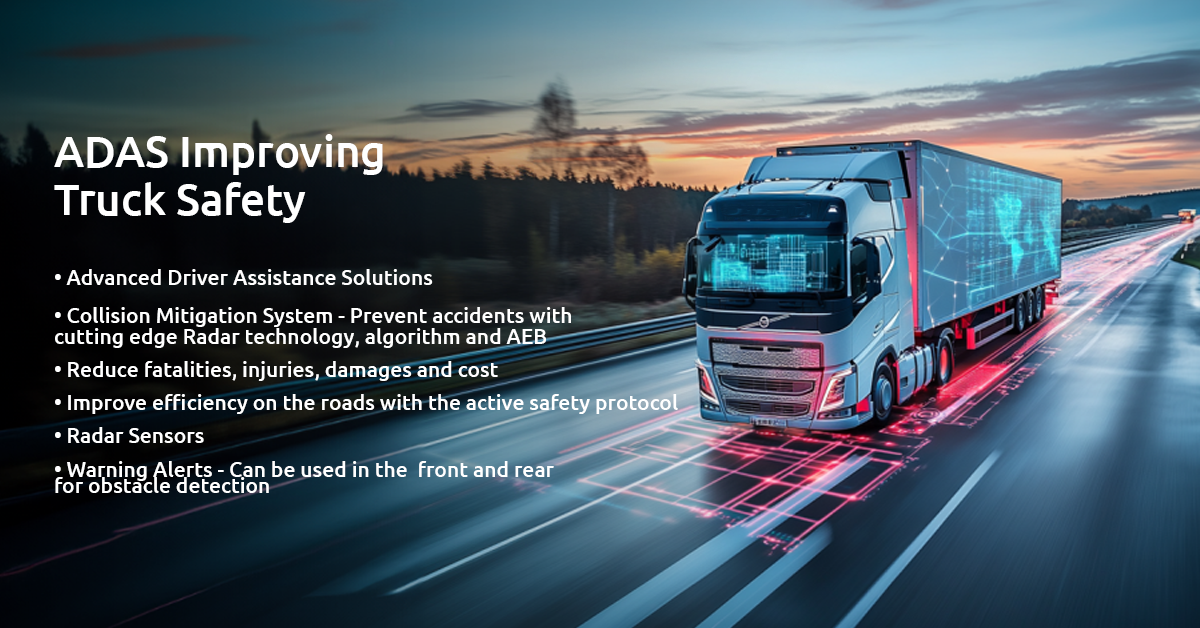
Advanced Driver Assistance Systems (ADAS) are revolutionizing the automotive industry by enhancing vehicle safety and convenience. These systems use a combination of sensors, cameras, and AI to assist drivers in making informed decisions, reducing the risk of accidents, and improving the overall driving experience. In this comprehensive article, we will explore the various components, benefits, challenges, and future prospects of ADAS.
The Core Components of ADAS
Advanced Driver Assistance Systems,ADAS technology, ADAS applications
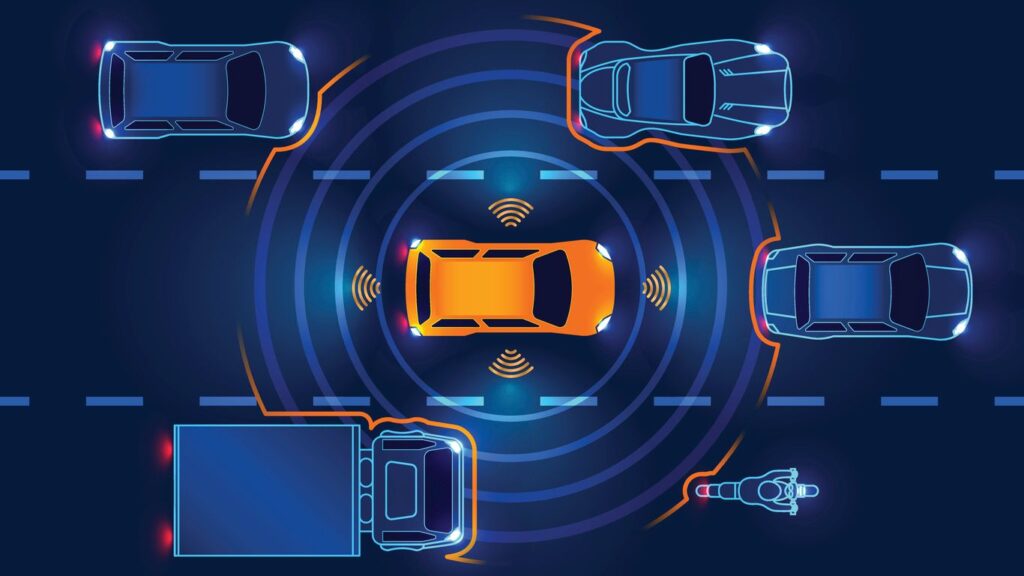
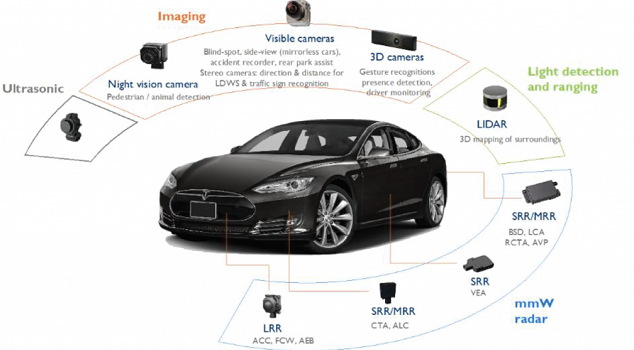
Sensors and Cameras: ADAS relies on a network of sensors and cameras to monitor the vehicle’s surroundings. These include radar, LiDAR (Light Detection and Ranging), ultrasonic sensors, and high-definition cameras. These sensors collect real-time data, which is processed by the vehicle’s onboard computer to provide actionable insights.
AI and Machine Learning: AI and machine learning algorithms play a crucial role in ADAS by analyzing the data collected from sensors and cameras. These algorithms can detect and interpret various driving scenarios, such as identifying pedestrians, recognizing traffic signs, and predicting potential collisions. The continuous learning capability of AI ensures that ADAS systems improve over time.
Human-Machine Interface (HMI): The HMI is the interface through which drivers interact with ADAS. It includes visual displays, auditory alerts, and haptic feedback mechanisms. The HMI provides real-time information to the driver, such as lane departure warnings, collision alerts, and adaptive cruise control settings.
Key Features of ADAS
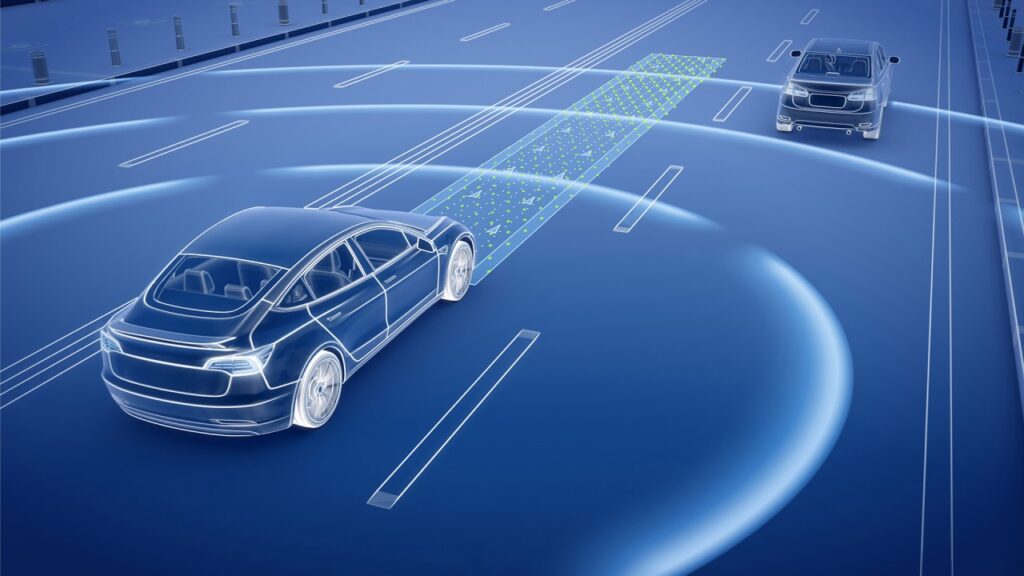
Adaptive Cruise Control (ACC): ACC automatically adjusts the vehicle’s speed to maintain a safe distance from the car ahead. It uses radar and cameras to monitor traffic conditions and can accelerate, decelerate, or even bring the vehicle to a complete stop if necessary.
Lane Departure Warning (LDW) and Lane Keeping Assist (LKA): LDW alerts the driver if the vehicle unintentionally drifts out of its lane, while LKA actively steers the vehicle back into the lane. These features use cameras to detect lane markings and help prevent accidents caused by lane departure.
Automatic Emergency Braking (AEB): AEB detects potential collisions and automatically applies the brakes to avoid or mitigate the impact. This feature is particularly useful in preventing rear-end collisions and pedestrian accidents.
Blind Spot Detection (BSD): BSD monitors the vehicle’s blind spots and alerts the driver if another vehicle is detected. This feature enhances safety during lane changes and merges.
Traffic Sign Recognition (TSR): TSR uses cameras to identify and interpret traffic signs, such as speed limits and stop signs. The system provides real-time information to the driver, ensuring compliance with traffic regulations.
The Benefits of ADAS
The Problem: Human errors contribute to a significant number of road accidents.
The Solution: ADAS uses advanced technology to assist drivers, reducing the likelihood of accidents and enhancing overall safety.
Enhanced Safety: ADAS significantly reduces the risk of accidents by providing real-time alerts and automated interventions. Features like AEB, LDW, and BSD help prevent collisions and improve driver awareness.
Improved Convenience: ADAS enhances the driving experience by automating routine tasks, such as maintaining a safe following distance and staying within lane markings. This reduces driver fatigue and stress, especially during long journeys.
Increased Efficiency: ADAS can optimize driving patterns, leading to improved fuel efficiency and reduced emissions. For example, ACC can maintain a steady speed and avoid unnecessary acceleration and braking.
Support for Autonomous Driving: ADAS serves as a stepping stone towards fully autonomous vehicles. By integrating advanced driver assistance features, automakers can gradually introduce autonomous capabilities while ensuring safety and reliability.
The Challenges of ADAS Implementation
Technological Limitations: Developing and implementing ADAS requires overcoming several technological challenges. These include improving sensor accuracy, enhancing AI algorithms, and ensuring reliable communication between components.
Cost Considerations: ADAS technology can be expensive, increasing the overall cost of vehicles. However, as the technology matures and economies of scale are achieved, the cost is expected to decrease, making ADAS more accessible to a broader range of consumers.
Regulatory and Legal Framework: The widespread adoption of ADAS necessitates a comprehensive regulatory and legal framework. Governments and policymakers must establish guidelines for testing, deployment, and liability in case of accidents.
Public Acceptance: Gaining public trust and acceptance is crucial for the success of ADAS. Many individuals are skeptical about the safety and reliability of automated systems. Transparent communication and education efforts are essential to address these concerns.
The Future of ADAS: Trends and Innovations
Integration with AI and Machine Learning: The future of ADAS lies in the seamless integration of AI and machine learning. These technologies will enable ADAS systems to continuously learn and adapt to different driving scenarios, improving their accuracy and reliability.
V2X Communication: Vehicle-to-Everything (V2X) communication allows vehicles to interact with each other and with infrastructure, such as traffic lights and road signs. This communication enhances situational awareness and enables more coordinated and efficient driving.
5G Connectivity: The deployment of 5G networks will provide the necessary bandwidth and low latency for real-time data exchange between vehicles and infrastructure. This connectivity will support advanced ADAS features, such as remote diagnostics and over-the-air updates.
Enhanced Sensor Technology: Advancements in sensor technology, including LiDAR, radar, and cameras, will improve the accuracy and reliability of ADAS. These sensors will provide a more comprehensive view of the vehicle’s surroundings, enabling better decision-making.
Driving Towards a Safer Future
Advanced Driver Assistance Systems (ADAS) represent a significant leap forward in automotive safety and convenience. By leveraging advanced technology, ADAS enhances driver awareness, reduces the risk of accidents, and paves the way for autonomous driving. As we continue to innovate and improve these systems, we can look forward to a future where driving is safer, more efficient, and more enjoyable.
Engaging Question: What ADAS feature do you find most exciting, and how do you think it will impact your driving experience? Share your thoughts and experiences in the comments below!