





Building a Sustainable Future
Introduction: The Role of Eco-Friendly Materials in Today’s World
In the wake of mounting environmental challenges such as climate change, deforestation, and unsustainable resource exploitation, the adoption of eco-friendly materials is becoming increasingly critical. These materials, derived from renewable or recyclable sources, play a vital role in creating a sustainable future by minimizing environmental degradation. With applications spanning from construction and manufacturing to everyday consumer products, eco-friendly materials not only reduce the ecological footprint but also align with global efforts to transition to a circular economy. This comprehensive exploration will delve into the various types of eco-friendly materials, their unique properties, applications, benefits, and the innovations driving their adoption in diverse industries.
Bamboo: A Versatile and Sustainable Material
Bamboo has emerged as one of the most sustainable and rapidly renewable materials available today. Its remarkable growth rate, with some species growing up to 24 inches a day, makes it an excellent alternative to traditional hardwoods.
Applications:
- Structural Uses: Bamboo is often utilized as a building material in frameworks and support structures, particularly in regions where its natural abundance makes it an affordable choice.
- Flooring and Furnishings: Its aesthetic appeal and durability make bamboo an increasingly popular choice for flooring, furniture, and decorative elements.
- Fashion Industry: Bamboo fibers are processed into textiles for eco-friendly clothing.
Benefits:
- Bamboo’s rapid regrowth reduces the need for replanting, making it an exceptional renewable resource.
- Its cultivation requires minimal water and little to no chemical fertilizers or pesticides, resulting in a lower ecological footprint.
- It is incredibly strong and durable, even rivaling concrete in certain structural applications.
The versatility and resilience of bamboo have spurred a variety of technological innovations, such as engineered bamboo, which is used in urban construction as a substitute for traditional wood and steel.
Cork: Natural Insulation and Beyond
Cork is a unique eco-friendly material derived from the bark of cork oak trees, which can regenerate their bark after harvesting. This sustainable practice ensures that the tree remains unharmed and continues to grow.
Applications:
- Thermal and Acoustic Insulation: Cork is highly effective in minimizing heat transfer and absorbing sound, making it ideal for insulation in buildings.
- Flooring and Wall Coverings: Cork flooring is not only comfortable underfoot but also provides excellent thermal insulation.
- Packaging and Consumer Goods: Cork is increasingly used in sustainable bottle stoppers, yoga blocks, and design accessories.
Benefits:
- Cork is naturally resistant to water, fire, and mold, which enhances its longevity and safety.
- The harvesting process encourages biodiversity and reduces carbon emissions, as cork forests act as significant carbon sinks.
- Its production has minimal waste, with residual materials repurposed into other cork-based products.
As technology advances, researchers are finding new ways to integrate cork into modern applications such as lightweight automotive components and renewable energy storage solutions.
Recycled Steel: An Industrial Game-Changer
Steel, one of the most recycled materials globally, retains its strength and durability even after multiple recycling cycles. By reprocessing scrap metal into new steel products, industries can significantly reduce energy consumption and resource depletion.
Applications:
- Construction: Recycled steel is extensively used in building frameworks, roofs, and reinforcements.
- Automotive Manufacturing: Lightweight and durable, recycled steel is crucial in producing vehicle parts, contributing to overall fuel efficiency.
- Packaging: Steel cans and containers made from recycled materials are both sustainable and fully recyclable.
Benefits:
- Recycling steel uses 75% less energy than creating new steel from raw materials, resulting in substantial cost and energy savings.
- It reduces the demand for mining, thereby conserving natural resources and protecting ecosystems from degradation.
- Recycled steel contributes to a circular economy by closing the loop on resource use.
Advancements in metallurgical techniques are increasing the efficiency and quality of recycled steel, making it a cornerstone of modern sustainable manufacturing.
Hemp: A Renewable Resource with Multifaceted Applications
Hemp, a fast-growing and resilient plant, has a wide range of applications, from construction materials to textiles and biofuels. Its ability to thrive in various climates and its low environmental impact make it a sustainable alternative to many conventional materials.
Applications:
- Construction: Hempcrete, a mixture of hemp fibers and lime, is used as a lightweight and insulating building material.
- Textiles: Hemp fibers are processed into durable, breathable fabrics for clothing and accessories.
- Paper and Plastics: Hemp is used to produce biodegradable paper and plastics, reducing reliance on traditional, polluting materials.
Benefits:
- Hemp cultivation requires minimal water and no synthetic pesticides, which conserves resources and prevents soil degradation.
- Its deep roots improve soil structure, making it a beneficial rotational crop.
- Hemp absorbs large amounts of carbon dioxide during its growth, acting as a natural carbon sink.
Innovative technologies are unlocking the potential of hemp in bio-composites and eco-friendly batteries, pushing the boundaries of its applications in modern industries.
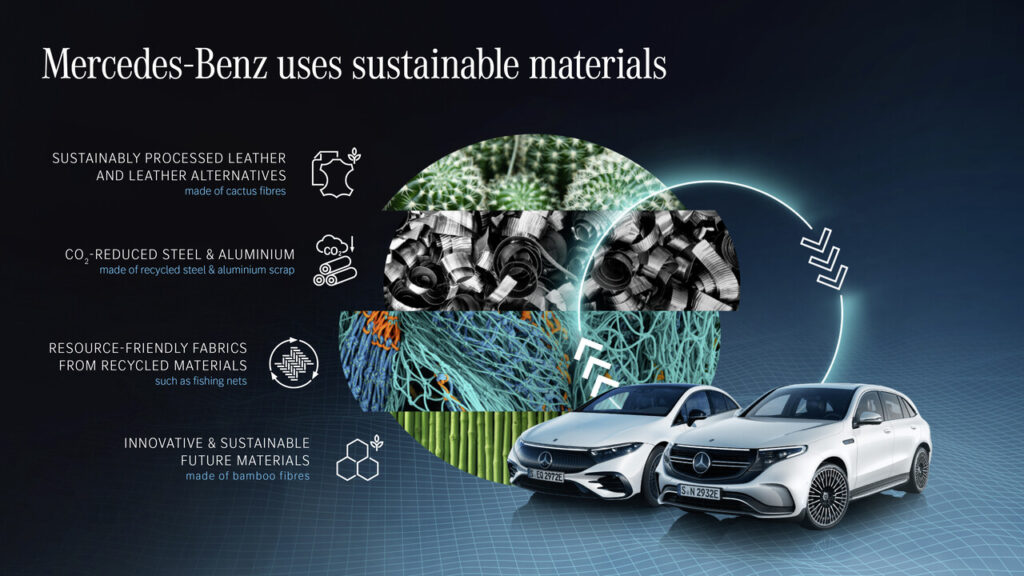
Recycled Glass: Endless Possibilities
Glass is one of the few materials that can be recycled indefinitely without losing quality or purity, making it an excellent candidate for sustainable production practices.
Applications:
- Packaging: Recycled glass is widely used in bottles, jars, and other containers.
- Construction: Crushed glass can be incorporated into concrete, tiles, and countertops.
- Art and Design: Artists and architects use recycled glass to create visually striking and sustainable designs.
Benefits:
- The recycling process requires less energy than producing new glass, significantly reducing carbon emissions.
- By reusing glass waste, industries help reduce landfill volumes and conserve raw materials.
- Recycled glass products are versatile and often indistinguishable from those made from virgin materials.
Ongoing research focuses on increasing the efficiency of glass recycling systems and finding innovative uses for recycled glass, such as energy-efficient windows and high-performance insulation.
Starch-Based Bioplastics: Tackling Plastic Pollution
Traditional plastics are one of the largest contributors to environmental pollution, making the rise of biodegradable alternatives, such as starch-based bioplastics, a vital development.
Applications:
- Packaging: Used for bags, containers, and single-use packaging products.
- Tableware: Disposable plates, cups, and cutlery made from bioplastics are widely adopted in food service industries.
- Agriculture: Biodegradable films and plant pots help reduce waste in farming practices.
Benefits:
- Made from renewable resources like corn and potato starch, these bioplastics significantly lower dependence on petroleum-based plastics.
- They are biodegradable, breaking down naturally in composting environments and reducing plastic waste pollution.
- The production of bioplastics often has a lower carbon footprint than that of conventional plastics.
Innovations in polymer science are improving the durability and cost-efficiency of bioplastics, paving the way for their broader adoption in various industries.
Recycled Paper: Conserving Forests and Resources
Paper is a staple in both commercial and personal settings, and recycling it is one of the most effective ways to combat deforestation and reduce waste.
Applications:
- Office Use: Recycled paper is used for printing, writing, and packaging.
- Consumer Goods: Products like tissues, napkins, and paper towels are increasingly made from recycled paper.
- Packaging: Recycled cardboard and paper are widely adopted in eco-friendly packaging solutions.
Benefits:
- Recycling paper saves trees, conserves water, and reduces the energy required for production.
- By diverting waste from landfills, it minimizes methane emissions, a potent greenhouse gas released during paper decomposition.
- Recycled paper can often be processed repeatedly, maintaining its utility and value over time.
Emerging innovations focus on improving the quality and strength of recycled paper, making it a viable alternative to virgin materials across more demanding applications.
The Pivotal Role of Eco-Friendly Materials
The adoption of eco-friendly materials is no longer a choice but a necessity as the world strives to address environmental challenges. From the fast-growing bamboo and resilient hemp to versatile recycled glass and durable recycled steel, these materials exemplify how sustainability can be seamlessly integrated into daily life and industrial practices. By prioritizing renewable, recyclable, and biodegradable materials, we can significantly reduce our environmental impact, conserve natural resources, and foster a sustainable future. The technological advancements and innovations driving these materials’ adoption ensure that they will continue to play a pivotal role in shaping a greener, more sustainable world. Which eco-friendly material resonates with you the most, and how do you see it shaping a sustainable future? Share your thoughts and experiences below!