

Revolutionizing Vehicle Software Management
Introduction: The Future of Vehicle Software
Over-the-Air (OTA) updates are transforming the way vehicle software is managed, offering a seamless and efficient method for delivering updates and enhancements. OTA technology allows automakers to remotely update a vehicle’s software, firmware, and even certain hardware components without requiring a visit to the dealership. This innovation not only enhances the driving experience but also ensures that vehicles remain up-to-date with the latest features and security patches. In this comprehensive article, we will explore the intricacies of OTA updates, their benefits, applications, and the innovations driving their adoption.
Understanding Over-the-Air (OTA) Updates
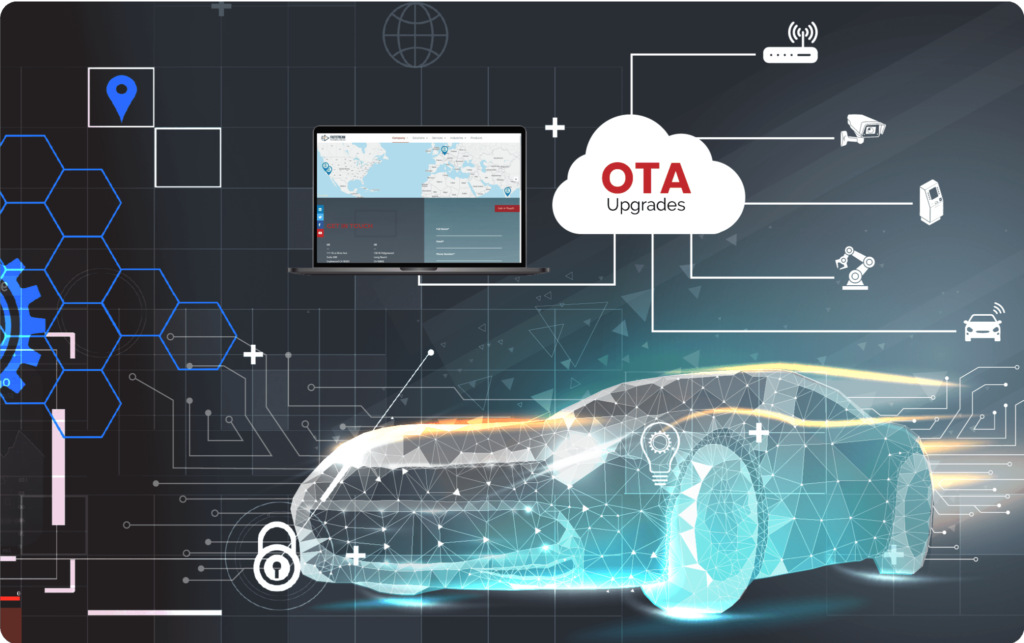
What are OTA Updates? OTA updates refer to the wireless transmission of software, firmware, and other data to a vehicle’s embedded systems. These updates are delivered through a wireless network, such as Wi-Fi or a cellular network, allowing for remote installation without the need for physical access to the vehicle.
Applications:
- Software Updates: OTA technology can update the vehicle’s operating system, applications, and configuration settings.
- Firmware Updates: OTA updates can enhance the performance and functionality of embedded systems, such as the infotainment system and advanced driver assistance systems (ADAS).
- Security Patches: OTA updates can address security vulnerabilities and ensure that the vehicle’s software remains secure.
Benefits:
- Convenience: OTA updates eliminate the need for dealership visits, saving time and effort for vehicle owners.
- Cost-Effectiveness: OTA updates reduce the cost of delivering updates and increase the rate of adoption of these updates.
- Enhanced Security: OTA updates ensure that vehicles receive timely security patches, reducing the risk of cyber threats.
The Technology Behind OTA Updates
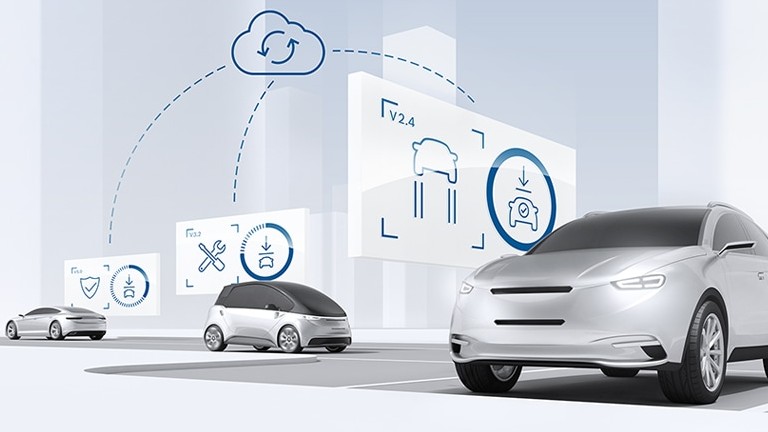
Client-Server Architecture: OTA updates rely on a client-server architecture, where the back-end system sends service requests to an OTA gateway. The OTA gateway processes these requests and transmits them to the vehicle’s embedded systems through a wireless network.
Delta Updates: To minimize energy consumption, network usage, and storage space, OTA updates are designed to be as small as possible. This is achieved by transferring only the differences between the old firmware and the new firmware, known as delta updates. The vehicle’s embedded system uses the delta file to update itself, ensuring efficient and seamless updates.
Security Measures: OTA updates incorporate robust security measures to protect against unauthorized access and tampering. These measures include encryption, authentication, and integrity checks to ensure that the updates are secure and reliable.
The Benefits of OTA Updates
The Problem: Traditional software updates require physical access to the vehicle, leading to inconvenience and delays.
The Solution: OTA updates provide a remote and efficient method for delivering software updates, enhancing the overall driving experience.
Enhanced Convenience: OTA updates allow vehicle owners to receive software updates without visiting a dealership. This convenience ensures that vehicles remain up-to-date with the latest features and improvements.
Cost Savings: OTA updates reduce the cost associated with delivering software updates. Automakers can remotely deploy updates to a large number of vehicles, eliminating the need for physical interventions.
Timely Security Patches: OTA updates enable automakers to quickly address security vulnerabilities and deploy patches. This timely response reduces the risk of cyber threats and ensures that vehicles remain secure.
Improved Vehicle Performance: OTA updates can enhance the performance and functionality of various vehicle systems, such as the infotainment system, ADAS, and powertrain control. These updates ensure that vehicles operate at their optimal level.
Real-World Applications of OTA Updates
Tesla: Tesla is a pioneer in the use of OTA updates for vehicle software management. The company regularly deploys OTA updates to enhance the functionality of its vehicles, including improvements to the Autopilot system, new features for the infotainment system, and performance enhancements.
Ford: Ford has implemented OTA updates for its vehicles, allowing for remote software updates and enhancements. The company’s SYNC 4 infotainment system can receive OTA updates, ensuring that drivers have access to the latest features and improvements.
General Motors: General Motors (GM) uses OTA updates to deliver software enhancements and security patches to its vehicles. The company’s vehicles are equipped with the necessary hardware and software to support OTA updates, ensuring a seamless and efficient update process.
The Future of OTA Updates: Trends and Innovations
Integration with 5G: The deployment of 5G networks will enhance the capabilities of OTA updates by providing faster and more reliable wireless connectivity. This integration will enable larger and more complex updates to be delivered seamlessly.
Predictive Maintenance: OTA updates can support predictive maintenance by providing real-time data on vehicle performance and health. Automakers can use this data to predict potential issues and deploy updates to address them before they become critical.
Enhanced Personalization: OTA updates can enable enhanced personalization by allowing vehicle owners to customize their driving experience. Automakers can deploy updates that tailor the vehicle’s settings and features to individual preferences.
Collaboration with Third-Party Developers: Automakers can collaborate with third-party developers to create and deploy new applications and features through OTA updates. This collaboration can enhance the functionality of vehicles and provide drivers with a wide range of options.
Embracing the Future of Vehicle Software
Over-the-Air (OTA) updates represent a significant advancement in vehicle software management, offering a convenient, cost-effective, and secure method for delivering updates. As technology continues to evolve, OTA updates will play a crucial role in enhancing the driving experience and ensuring that vehicles remain up-to-date with the latest features and security patches. By embracing OTA updates, automakers can drive towards a future where vehicle software is seamlessly managed and continuously improved.
Engaging Question: How do you think OTA updates will impact your driving experience, and what features would you like to see delivered through OTA updates? Share your thoughts and experiences in the comments below!