


Sleep is a fundamental biological process that is essential for the health and well-being of animals, just as it is for humans. Across the animal kingdom, sleep patterns vary widely, influenced by factors such as habitat, diet, predator-prey dynamics, and physiological needs. Understanding these patterns not only sheds light on the diverse ways in which animals rest but also underscores the importance of sleep in maintaining optimal functioning. This article explores the sleep times of various animals, ranked from those that sleep the least to those that sleep the most, delving into their unique sleeping behaviors and the critical role sleep plays in their lives.
Why Animals needs Sleep
Sleep is crucial for animals because it allows the body to repair itself, consolidate memories, and restore energy. During sleep, many physiological processes occur, including tissue repair, hormone regulation, and the strengthening of the immune system. For animals, sleep is not just a luxury but a necessity for survival. It helps them recover from daily activities, prepare for upcoming challenges, and maintain cognitive functions. The duration and quality of sleep can significantly impact an animal’s ability to thrive in its environment.
Animals That Sleep the Least
Sharks: The Minimal Sleepers
Sharks are among the animals that sleep the least, with some species requiring only about 0.1 hours of sleep per day. However, this does not mean sharks are perpetually awake. Instead, they enter a state of rest where they remain partially alert, often using a process called buccal pumping to breathe while stationary. This minimal sleep is a survival mechanism, allowing sharks to stay vigilant against predators and ready to hunt.
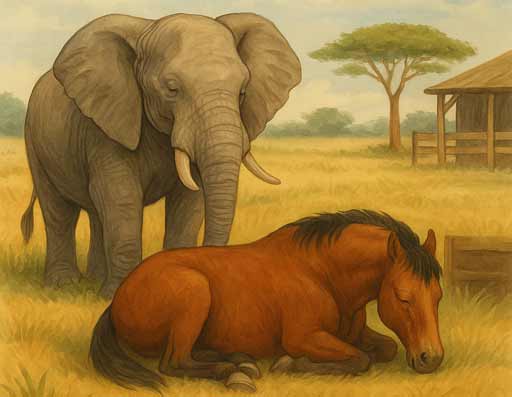
Elephants: Short but Strategic Sleep
Elephants sleep for approximately 2 hours per day, making them one of the shortest sleepers among mammals. Their sleep is often fragmented, with short naps taken while standing or lying down. This behavior is influenced by their need to remain aware of their surroundings, as they are large animals that must protect themselves and their herds from potential threats. Despite the short duration, elephant sleep is essential for their physical and mental health.
Horses: Light Sleepers
Horses sleep for about 2.9 hours per day, primarily in short bursts. They can sleep standing up thanks to a stay apparatus in their legs, which allows them to lock their joints and rest without falling. This adaptation is crucial for their survival in the wild, where they must be ready to flee from predators at a moment’s notice. Horses also lie down for deeper REM sleep, but these periods are brief.
Animals with Moderate Sleep Durations
Ants: Brief Rest Periods
Ants sleep for approximately 4.5 hours per day, but their sleep is highly fragmented, consisting of numerous short rest periods. This pattern allows them to remain active and responsive to their colony’s needs. Ants’ sleep is essential for their energy restoration and cognitive functions, enabling them to perform their complex social behaviors effectively.
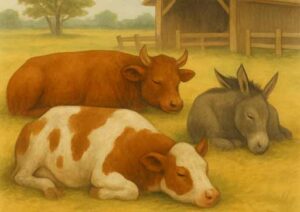
Donkeys: Variable Sleep Patterns
Donkeys sleep for about 3 hours per day, with their sleep often occurring in short bursts. They can sleep standing up or lying down, depending on their sense of safety. This flexibility in sleep behavior helps donkeys conserve energy while remaining vigilant. Sleep is vital for donkeys to maintain their physical health and mental alertness.
Cows: Efficient Rest
Cows sleep for around 4 hours per day, often in short naps throughout the day and night. Their sleep is influenced by their grazing patterns and the need to remain alert to their environment. Cows typically lie down to sleep, which allows them to enter deeper stages of rest. This moderate sleep duration supports their digestive processes and overall health.
Animals That Sleep More Extensively
Dogs: Loyal Companions with Longer Rest
Dogs sleep for around 12 to 14 hours per day, depending on their age, breed, and activity level. Their sleep is polyphasic, consisting of multiple naps throughout the day and night. This extensive sleep is necessary for dogs to recover from physical exertion and process information from their environment. Sleep also plays a role in maintaining their bond with humans and other animals.
Bats: Nocturnal Sleepers
Bats sleep for approximately 20 hours per day, primarily during the day when they are not active. Their sleep is essential for energy conservation, as they rely on flight for hunting and navigation. Bats’ sleep patterns are influenced by their nocturnal lifestyle, and they often roost in groups, which provides additional safety. Sleep is critical for bats to maintain their physical and mental capabilities.
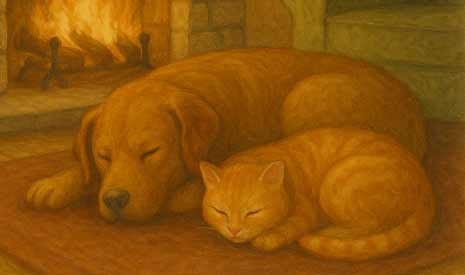
Cats: The Champions of Napping
Cats are known for their long sleep durations, averaging 15 hours per day. Their sleep is polyphasic, with frequent naps that allow them to conserve energy for hunting and other activities. Cats enter deep REM sleep, which is crucial for their cognitive functions and overall health. This extensive sleep pattern is a legacy of their wild ancestors, who needed to rest between bouts of activity.
Animals with the Longest Sleep Duration
Tigers: Predatory Rest
Tigers sleep for about 18 hours per day, a pattern that supports their role as apex predators. Their sleep is polyphasic, with long periods of rest interspersed with hunting activities. This extensive sleep allows tigers to conserve energy and recover from the physical demands of their lifestyle. Sleep is vital for tigers to maintain their strength and agility.
Owls: Nocturnal Guardians
Owls sleep for around 12.5 hours per day, primarily during the day when they are not hunting. Their sleep is influenced by their nocturnal habits, and they often roost in secluded locations to avoid disturbances. Owls’ sleep is essential for their cognitive functions and physical recovery, enabling them to perform their roles as efficient hunters.
Water Bears (Tardigrades): Extreme Survival
Water bears, or tardigrades, are unique in their sleep patterns. While they can enter a state of cryptobiosis that lasts for extremely long periods, up to 26,280 hours (or about 3 years), this is not considered true sleep. Instead, it is a form of suspended animation that allows them to survive harsh conditions. When not in cryptobiosis, water bears have short, fragmented rest periods. This extreme adaptation highlights the importance of rest in their survival strategy.
Conclusion
The sleep patterns of animals are as diverse as the species themselves, ranging from minimal to extensive durations. Each animal’s sleeping behavior is a adaptation to its environment and lifestyle, ensuring survival and optimal functioning. Sleep is necessary for animals to repair, restore, and prepare for the challenges of their daily lives. By understanding these patterns, we gain insight into the complex interplay between sleep and survival in the animal kingdom.
This exploration of animal sleep times and behaviors underscores the universal importance of rest, regardless of the species. Whether it’s the brief rest of a shark or the extensive slumber of a cat, sleep remains a critical component of life for animals across the globe.