

We have explored each of the ten must-have smart home devices in detail, covering their problem statements, benefits, advantages, disadvantages, installation guides, comparisons, prices, and best solutions. Here’s a quick recap of each device:
- Smart Thermostats: Automated temperature control, energy savings, and enhanced comfort. Best Solution: Nest Learning Thermostat.
Smart Lighting:
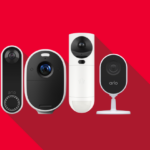
- Smart Security Cameras: Real-time monitoring, motion detection, and remote access. Best Solution: Arlo Pro 4.
- Smart Locks: Keyless entry, enhanced security, and remote control. Best Solution: August Smart Lock Pro.
- Smart Doorbells: Real-time visitor notifications, two-way communication, and motion detection. Best Solution: Ring Video Doorbell Pro 2.
- Smart Plugs: Remote control of appliances, energy usage monitoring, and scheduling features. Best Solution: TP-Link Kasa Smart Plug.
- Smart Speakers: Voice control capabilities, high-quality audio, and central hub functionality. Best Solution: Amazon Echo (4th Gen).
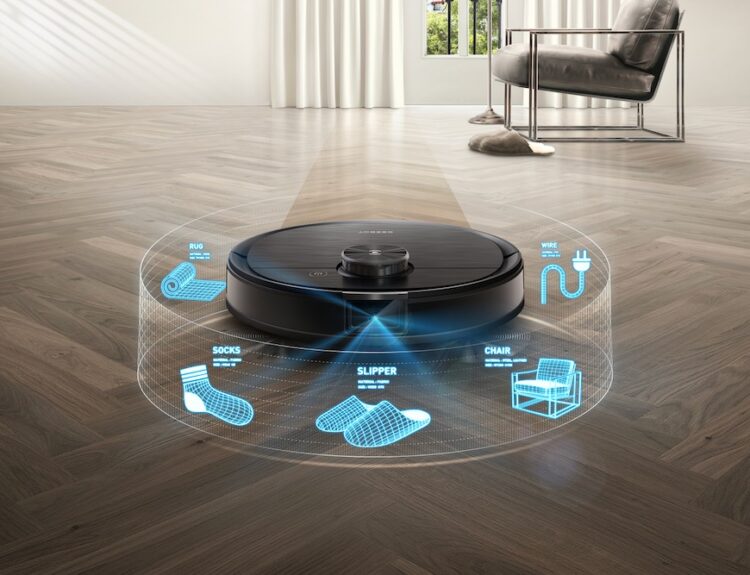
- Smart Vacuum Cleaners: Autonomous cleaning, time-saving features, and advanced mapping capabilities. Best Solution: iRobot Roomba i7+.
- Smart Home Hubs: Centralized control, enhanced automation, and improved integration. Best Solution: Samsung SmartThings Hub.
- Smart Blinds: Automated light and privacy control, enhanced energy efficiency, and remote control. Best Solution: Lutron Serena Shades.
2. Smart Lighting

Introduction: Smart lighting is transforming the way we illuminate our homes, offering convenience, energy efficiency, and customizable ambiance. Traditional lighting systems often require manual operation, leading to inefficiencies and missed opportunities for automation. Smart lighting systems, on the other hand, can be controlled remotely, scheduled, and customized to suit your preferences, making them an essential component of a modern smart home.
Problem Statement: Manually managing your home lighting can be inconvenient and energy-inefficient, especially when lights are left on unintentionally. Traditional lighting systems often lack the flexibility and automation needed to optimize energy usage and create the desired ambiance. Additionally, adjusting multiple lights individually can be time-consuming and cumbersome.
Benefits: Smart lighting systems offer numerous benefits that address these challenges. By providing remote control and scheduling capabilities, they ensure that your lights are used efficiently and only when needed. This not only reduces energy consumption but also enhances convenience. Smart lighting can be customized to create the perfect ambiance for any occasion, whether it’s a cozy movie night or a vibrant dinner party.
Advantages: One of the primary advantages of smart lighting is energy efficiency. Smart bulbs and lighting systems can be scheduled to turn on and off at specific times, ensuring that lights are not left on unnecessarily. For example, you can set your lights to turn off automatically when you leave for work and turn on just before you arrive home. This reduces energy wastage and lowers utility bills.
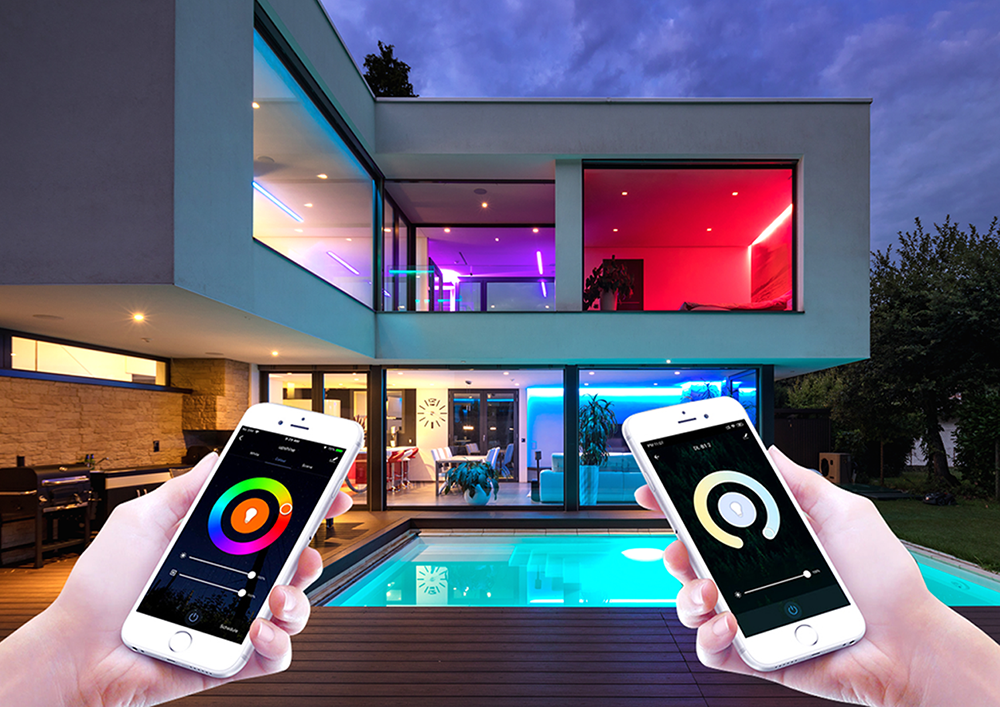
Another significant advantage is the ability to control your lights remotely via smartphone apps. Whether you’re at home or away, you can easily adjust the lighting to suit your needs. This is particularly useful if you want to deter potential intruders by making it appear as though someone is home. Many smart lighting systems are also compatible with voice assistants like Amazon Alexa and Google Assistant, allowing you to control your lights with simple voice commands.
Customization is another key advantage of smart lighting. With a wide range of colors and brightness levels to choose from, you can create the perfect ambiance for any occasion. Smart bulbs like Philips Hue and LIFX offer millions of color options and can be synchronized with music, movies, and games for an immersive experience. You can also set up lighting scenes that combine multiple lights to create a specific mood or effect.
Disadvantages: Despite their many benefits, smart lighting systems do have some disadvantages. The initial cost of smart bulbs and lighting systems can be higher compared to traditional bulbs. However, it is important to consider the long-term energy savings and convenience they provide, which can offset the upfront investment. Additionally, smart lighting systems require a stable Wi-Fi connection to function properly. Any disruptions to the internet can impact their performance and responsiveness.
Compatibility issues with existing fixtures can also be a concern. Not all smart bulbs are compatible with every light fixture, so it is essential to check compatibility before making a purchase. Some systems may require additional hubs or bridges to connect all the lights, adding to the overall cost and complexity.
Installation Guide: Installing smart lighting is a relatively simple process, but it is essential to follow the manufacturer’s instructions carefully to ensure proper setup and functionality. Here is a general installation guide:
- Turn off power to the lighting fixture to ensure safety.
- Remove the old bulb and replace it with the smart bulb. Ensure that the bulb is compatible with the fixture.
- Download the app for the smart lighting system (e.g., Philips Hue) and follow the setup instructions. This typically involves connecting the bulbs to your Wi-Fi network or a smart hub.
- Connect the bulbs to your Wi-Fi network or a smart hub by following the app instructions. This typically involves scanning a QR code on the bulb or hub and entering your Wi-Fi credentials.
- Customize settings in the app to create schedules, set timers, and adjust brightness and color. You can also set up scenes and automation routines to enhance the smart lighting experience.
- Integrate with voice assistants if desired. Link your smart lighting system to Amazon Alexa, Google Assistant, or Apple Siri for voice control. This allows you to control your lights with simple voice commands like “Alexa, turn on the living room lights” or “Hey Google, set the bedroom lights to 50% brightness.”
| Smart Lighting Device | Price | Best Feature | Description |
| Philips Hue White and Color Ambiance | $49.99 | Best color smart bulb | Offers a wide range of colors and smooth dimming. Integrates with Alexa, Google Assistant, and Apple HomeKit. |
| Wyze Bulb Color | $34.99 | Best budget color smart bulb | Affordable and tunable white. Works with Alexa and Google Assistant. |
| Philips Hue White Ambiance (Bluetooth + Zigbee) | $29.99 | Best white smart bulb | Supports both Bluetooth and Zigbee. Excellent light quality and smooth dimming. |
| Cree Lighting Connected Max Smart LED | $9.80 | Best budget smart bulb | Affordable and easy to install. Works with Alexa and Google Assistant. |
| Philips Hue Lightstrip Plus (2020) | $99.99 | Best LED light strip | Flexible and customizable light strip. Integrates with Alexa, Google Assistant, and Apple HomeKit. |
| LIFX SuperColor Outdoor String Lights | $79.99 | Best outdoor string lights | Durable and weatherproof. Offers vibrant colors and easy setup. |
| Nanoleaf Shapes | $199.99 | Best decorative smart lights | Modular and customizable light panels. Works with Alexa, Google Assistant, and Apple HomeKit. |
| Govee Wi-Fi LED Bulb | $19.99 | Best affordable smart bulb | Affordable and responsive. Works with Alexa and Google Assistant. |
| Nanoleaf Essentials | $24.99 | Best Matter-compatible smart bulb | Affordable and colorful. Compatible with Matter for future-proofing. |
| TP-Link Kasa Smart Wi-Fi Light Bulb | $14.99 | Best for Alexa users | Affordable and easy to install. Works seamlessly with Alexa. |
These smart lighting devices offer a range of features to suit different needs and budgets. The Philips Hue White and Color Ambiance stands out for its versatility and integration with major smart home platforms, while the Wyze Bulb Color is a great budget-friendly option. The Nanoleaf Shapes provide a unique and decorative lighting solution for those looking to add a touch of creativity to their home.