
We have explored each of the ten must-have smart home devices in detail, covering their problem statements, benefits, advantages, disadvantages, installation guides, comparisons, prices, and best solutions. Here’s a quick recap of each device:
- Smart Thermostats: Automated temperature control, energy savings, and enhanced comfort. Best Solution: Nest Learning Thermostat.
- Smart Lighting: Energy efficiency, customizable ambiance, and remote control. Best Solution: Philips Hue.
- Smart Security Cameras: Real-time monitoring, motion detection, and remote access. Best Solution: Arlo Pro 4.
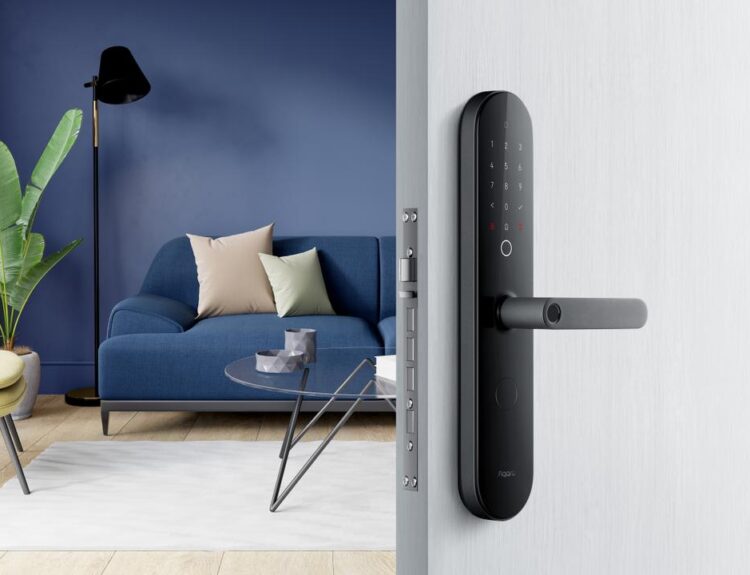
- Smart Locks: Keyless entry, enhanced security, and remote control. Best Solution: August Smart Lock Pro.
- Smart Doorbells: Real-time visitor notifications, two-way communication, and motion detection. Best Solution: Ring Video Doorbell Pro 2.
Smart Plugs:
- Smart Speakers: Voice control capabilities, high-quality audio, and central hub functionality. Best Solution: Amazon Echo (4th Gen).
- Smart Vacuum Cleaners: Autonomous cleaning, time-saving features, and advanced mapping capabilities. Best Solution: iRobot Roomba i7+.
- Smart Home Hubs: Centralized control, enhanced automation, and improved integration. Best Solution: Samsung SmartThings Hub.
- Smart Blinds: Automated light and privacy control, enhanced energy efficiency, and remote control. Best Solution: Lutron Serena Shades.
6. Smart Plugs
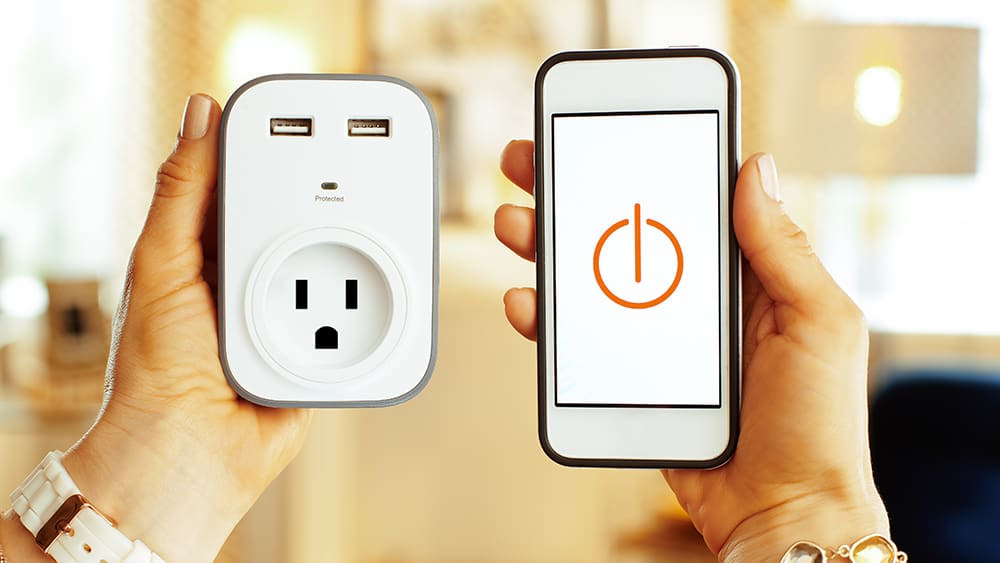
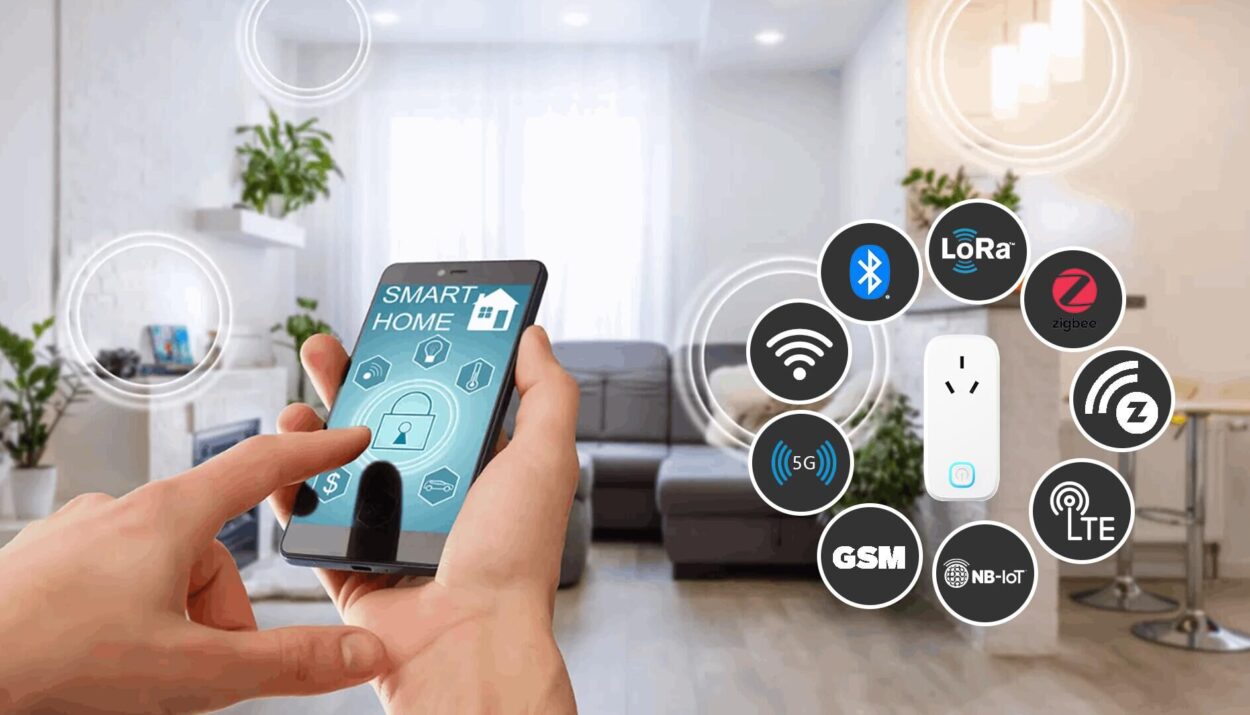
Introduction: Traditional plugs do not allow for remote control or scheduling, limiting convenience and energy efficiency. Smart plugs address these limitations by providing remote control of appliances, energy usage monitoring, and scheduling features. These devices enhance convenience and efficiency by allowing homeowners to control their appliances from anywhere and optimize energy usage.
Problem Statement: Traditional plugs require manual operation to turn appliances on and off, leading to inefficiencies and missed opportunities for automation. Homeowners often forget to turn off appliances when not in use, resulting in unnecessary energy consumption and higher utility bills. Additionally, managing multiple appliances individually can be cumbersome and time-consuming.
Benefits: Smart plugs offer numerous benefits that enhance convenience and energy efficiency. By providing remote control capabilities, they allow homeowners to turn appliances on and off from anywhere using smartphone apps. This ensures that appliances are only used when needed, reducing energy consumption and lowering utility bills. Smart plugs also offer scheduling features, enabling users to set timers and create routines for automated operation.
Advantages: One of the primary advantages of smart plugs is remote control capability. Homeowners can use smartphone apps to control their appliances from anywhere, whether they are at home or away. This feature provides convenience and peace of mind, as you can ensure that appliances are turned off when not in use. For example, you can turn off a forgotten coffee maker or schedule lights to turn on before you arrive home.
Another significant advantage is energy usage monitoring. Many smart plugs provide insights into the energy consumption of connected appliances, allowing users to track usage and identify opportunities for improvement. This data can help homeowners make informed decisions to reduce energy consumption and lower utility bills.
Scheduling features are another key advantage of smart plugs. Users can set timers and create routines for automated operation of appliances. For example, you can schedule lights to turn on and off at specific times, ensuring that they are only used when needed. This not only enhances convenience but also optimizes energy usage.
Disadvantages: Despite their many benefits, smart plugs do have some disadvantages. The initial cost of smart plugs can be higher compared to traditional plugs. However, it is important to consider the long-term energy savings and convenience they provide, which can offset the upfront investment. Additionally, smart plugs require a stable Wi-Fi connection to function properly. Any disruptions to the internet can impact their performance and responsiveness.
Smart plugs are limited to controlling devices that are plugged into them. This means that they cannot control appliances that are hardwired or do not use standard plugs. Additionally, compatibility issues with certain appliances may arise, requiring careful selection of compatible products.
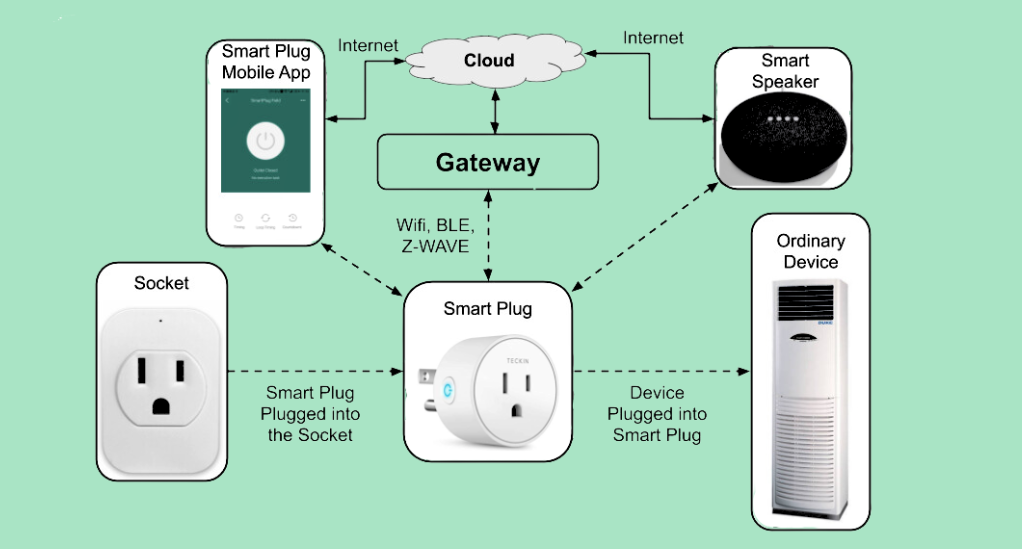
Installation Guide: Installing smart plugs is a straightforward process, but it is essential to follow the manufacturer’s instructions carefully to ensure proper setup and functionality. Here is a general installation guide:
- Plug the smart plug into an electrical outlet. Ensure that the outlet is easily accessible and has a stable power supply.
- Plug the appliance into the smart plug. Verify that the appliance is compatible with the smart plug and that it functions correctly when plugged in.
- Download the app for the smart plug and follow the setup instructions. This typically involves connecting the smart plug to your Wi-Fi network by scanning a QR code or entering your network credentials.
- Set up schedules and preferences in the app. Configure timers, create routines, and customize settings to optimize the operation of connected appliances.
- Monitor energy usage: Use the app to track the energy consumption of connected appliances and make adjustments as needed to reduce usage and lower utility bills.
- Integrate with voice assistants if desired. Link the smart plug to Amazon Alexa, Google Assistant, or Apple Siri for voice control. This allows you to control connected appliances with simple voice commands.
Comparison: There are several popular smart plugs on the market, each with its unique features and capabilities.
| Smart Plug | Price | Best Feature |
|---|---|---|
| TP-Link Kasa Smart Wi-Fi Plug Slim With Energy Monitoring (KP125M) | $34.99 | Best overall |
| Eve Energy Outlet | $49.95 | Best hardwired smart wall outlet |
| TP-Link Kasa Smart Wi-Fi Power Strip (HS300) | $48.99 | Best smart power strip |
| AiDot Linkind Matter Smart Plug | $19.99 | Best for Matter support |
| Leviton Decora Smart Mini Plug-In Dimmer | $42.50 | Best for lamps |
| Roku Outdoor Smart Plug SE | $10.65 | Best for Roku-centric households |
| TP-Link Kasa Smart Wi-Fi Outdoor Plug (EP40A) | $17.99 | Best outdoor smart plug |
| TP-Link Tapo Mini Smart Wi-Fi Plug (P125M) | $10.79 | Best affordable plug for Kasa device users |
| Amazon Smart Plug | $24.99 | Best for Alexa users |
| Ring Outdoor Smart Plug | $29.99 | Best for Ring device users |
Descriptions:
TP-Link Kasa Smart Wi-Fi Plug Slim With Energy Monitoring (KP125M):
Price: $34.99
Description: This smart plug supports many smart home platforms, including Matter. It generates energy reports with estimated costs, works with voice controls, and offers lots of integration options. Its compact size makes it a versatile choice for any smart home setup.
Eve Energy Outlet:
Price: $49.95
Description: This hardwired smart wall outlet keeps track of energy consumption and integrates with Apple HomeKit. It supports Thread and Matter, providing a stable connection and compatibility with various smart home systems.
TP-Link Kasa Smart Wi-Fi Power Strip (HS300):
Price: $48.99
Description: This smart power strip lets you control up to six devices and has three USB ports. It works with Alexa, Google Assistant, and Apple HomeKit, making it a great choice for managing multiple devices.
AiDot Linkind Matter Smart Plug:
Price: $19.99
Description: Best for Matter support, this smart plug offers reliable connectivity and compatibility with various smart home platforms. It provides remote control and scheduling features.
Leviton Decora Smart Mini Plug-In Dimmer:
Price: $42.50
Description: Ideal for lamps, this smart plug allows you to dim the bulb from any desk or table lamp you plug into it. It integrates with Alexa, Google Assistant, and Apple HomeKit.
Roku Outdoor Smart Plug SE:
Price: $10.65
Description: Best for Roku-centric households, this outdoor smart plug is tough enough to withstand the elements. You can schedule and configure the two outlets to work together or separately.
TP-Link Kasa Smart Wi-Fi Outdoor Plug (EP40A):
Price: $17.99
Description: This outdoor smart plug is weatherproof and works with Alexa and Google Assistant. It offers remote control and scheduling features.
TP-Link Tapo Mini Smart Wi-Fi Plug (P125M):
Price: $10.79
Description: An affordable option for Kasa device users, this smart plug offers remote control and scheduling features. It works with Alexa and Google Assistant.
Amazon Smart Plug:
Price: $24.99
Description: Best for Alexa users, this smart plug instantly pairs with your Alexa account for seamless integration into routines, easy touch controls, and voice commands.
Ring Outdoor Smart Plug:
Price: $29.99
Description: Best for Ring device users, this outdoor smart plug offers remote control and scheduling features. It integrates with the Ring app and works with Alexa.
Advantages of Smart Plugs:
Convenience: Smart plugs allow you to control your appliances remotely using a smartphone app or voice commands, making it easy to manage your devices.
Energy Efficiency: Many smart plugs provide energy monitoring features, helping you track and reduce energy consumption.
Automation: You can set schedules and routines for your devices, automating tasks like turning lights on and off or managing your coffee maker.
Integration: Smart plugs integrate with various smart home platforms, creating a seamless and automated home environment.
Accessibility: They make it easier for people with disabilities or mobility issues to control their appliances without physically interacting with them.
Disadvantages of Smart Plugs:
Cost: Smart plugs can be more expensive than traditional plugs, especially if you need multiple units for your home.
Connectivity Issues: Like any connected device, smart plugs can experience connectivity issues, which can be frustrating.
Privacy Concerns: Smart plugs can collect data on your usage patterns, raising privacy concerns. It’s essential to understand the privacy policies and settings of your device.
Compatibility: Not all smart plugs are compatible with every smart home system, so it’s important to check compatibility before purchasing.
Technical Issues: Smart plugs can experience technical glitches, such as software malfunctions or firmware updates, which can be inconvenient.