

Solar-Powered Cars: Harnessing the Power of the Sun
Introduction: A New Era of Sustainable Transportation
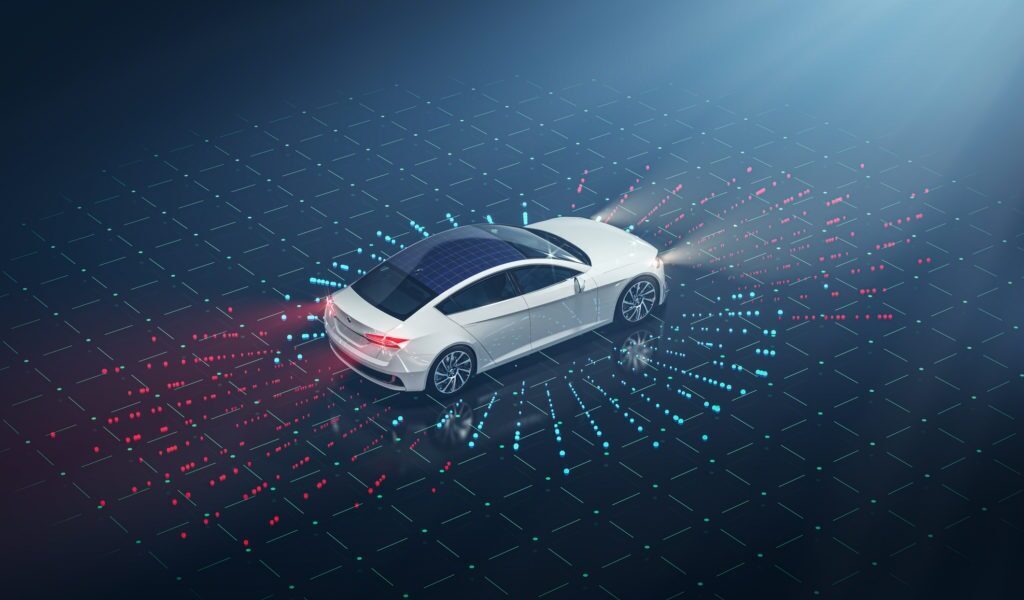
As the world shifts towards renewable energy sources, solar-powered cars are emerging as a promising solution for sustainable transportation. These vehicles harness the power of the sun to generate electricity, offering an eco-friendly alternative to traditional fuel-powered cars. In this comprehensive article, we will explore the technology behind solar-powered cars, their benefits, challenges, and the innovations driving their adoption.
The Technology Behind Solar-Powered Cars
How Do Solar-Powered Cars Work? Solar-powered cars use photovoltaic (PV) cells to convert sunlight into electricity. These PV cells are typically made of semiconductor materials, such as silicon, which generate an electric current when exposed to sunlight. The electricity produced by the PV cells is used to power the car’s electric motor and charge its battery.
Key Components:
- Solar Panels: Solar panels are mounted on the car’s surface to capture sunlight and convert it into electricity.
- Battery Storage: The electricity generated by the solar panels is stored in a battery, allowing the car to run smoothly even when there is no direct sunlight.
- Electric Motor: The electric motor uses the stored electricity to drive the car, providing a clean and efficient mode of transportation.
Why It Matters: Solar-powered cars offer a sustainable and renewable energy solution, reducing the reliance on fossil fuels and minimizing greenhouse gas emissions.
The Benefits of Solar-Powered Cars
The Problem: Traditional fuel-powered cars contribute to air pollution and climate change.
The Solution: Solar-powered cars provide an eco-friendly alternative by harnessing renewable energy from the sun.
Environmental Benefits: Solar-powered cars produce zero emissions, reducing air pollution and greenhouse gas emissions. By using renewable energy, these vehicles help combat climate change and promote environmental sustainability.
Cost Savings: Solar-powered cars can significantly reduce fuel costs, as they rely on free and abundant solar energy. Additionally, the maintenance costs for electric motors are generally lower compared to internal combustion engines.
Energy Independence: Solar-powered cars offer energy independence by reducing the reliance on fossil fuels. This independence enhances energy security and reduces the impact of fluctuating fuel prices.
Noise Reduction: Electric motors used in solar-powered cars operate quietly, reducing noise pollution and providing a more pleasant driving experience.
The Challenges of Solar-Powered Cars
Technological Limitations: Solar-powered cars face several technological challenges, including the efficiency of PV cells and the limited surface area available for solar panels. Current PV cells have an efficiency rate of 15-25%, which means that only a fraction of the sunlight is converted into electricity.
Energy Storage: The energy storage capacity of batteries is another challenge. While advancements in battery technology are improving, the limited storage capacity can affect the range and performance of solar-powered cars.
Weather Dependence: Solar-powered cars rely on sunlight to generate electricity, making them less effective in cloudy or rainy conditions. However, the stored energy in the battery can help mitigate this issue.
Cost: The initial cost of solar-powered cars can be higher compared to traditional vehicles due to the advanced technology and materials used. However, the long-term savings on fuel and maintenance can offset the initial investment.
Real-World Applications and Innovations
Lightyear One: The Lightyear One is a solar-electric passenger car that went into limited production in December 2022. It features solar panels integrated into its roof and hood, allowing it to generate electricity while driving or parked. The Lightyear One aims to provide a sustainable and energy-efficient transportation solution.
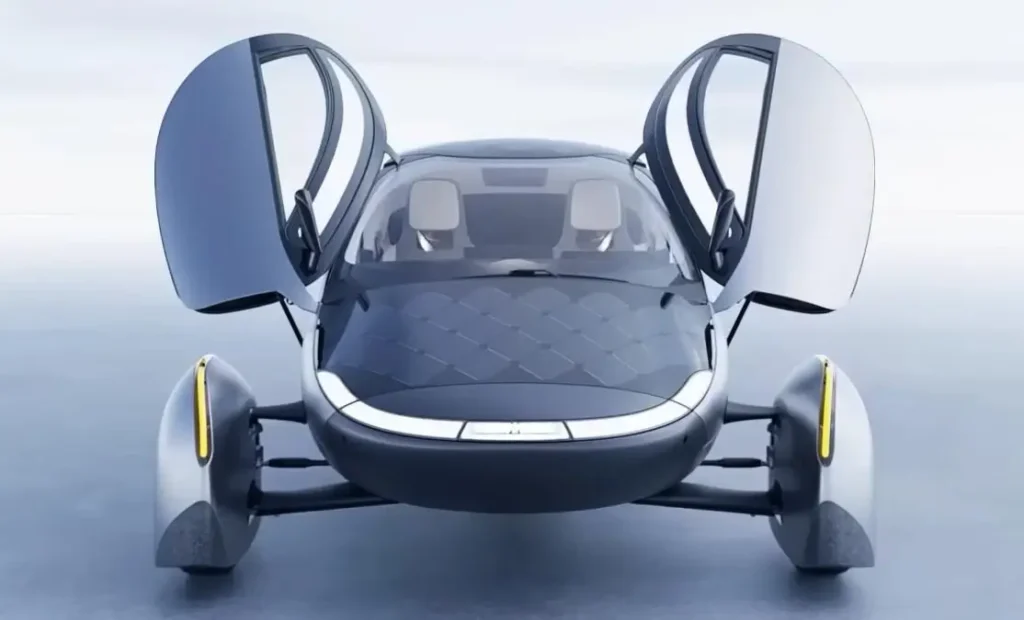
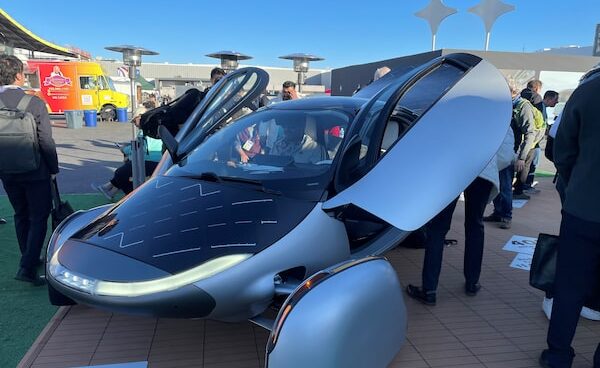
Aptera: The Aptera is another innovative solar-powered vehicle expected to start production in 2024. It features a lightweight design and aerodynamic shape, maximizing energy efficiency and solar energy capture. The Aptera aims to offer a practical and eco-friendly transportation option.
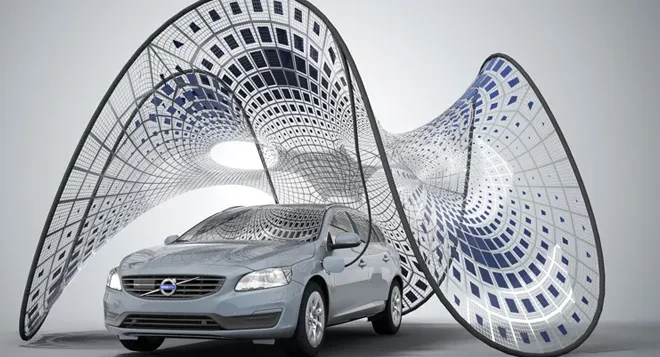
Solar Roof Panels: Many automakers are incorporating solar roof panels into their electric vehicles to supplement battery charging. These panels can provide additional energy for the car’s internal systems and extend the driving range.
The Future of Solar-Powered Cars: Trends and Innovations
Advancements in PV Technology: Researchers are continuously working on improving the efficiency of PV cells. Innovations such as multi-junction cells and perovskite solar cells have the potential to significantly increase the energy conversion efficiency, making solar-powered cars more viable.
Integration with Smart Grids: Solar-powered cars can be integrated with smart grids to optimize energy use and storage. By connecting to the grid, these vehicles can supply excess energy back to the grid during peak demand periods, supporting grid stability and renewable energy integration.
Hybrid Solar Vehicles: Hybrid solar vehicles combine solar power with other renewable energy sources, such as wind or hydrogen, to enhance energy efficiency and performance. These hybrid systems can provide a more reliable and versatile transportation solution.
Solar Car Competitions: Solar car competitions, such as the World Solar Challenge and the American Solar Challenge, promote innovation and development in solar-powered vehicle technology. These competitions encourage research and collaboration among universities, companies, and government agencies.
Driving Towards a Sustainable Future
Solar-powered cars represent a significant step towards sustainable transportation, offering an eco-friendly alternative to traditional fuel-powered vehicles. As technology continues to advance, solar-powered cars will become more efficient, affordable, and accessible. By embracing solar energy, we can drive towards a cleaner and greener future.
Engaging Question: What excites you the most about solar-powered cars, and how do you think they will impact your daily life? Share your thoughts and experiences in the comments below!